Ever stared into the mirror during your bridal trial and felt your heart sink—not because the blush was too pink, but because a scar you thought would “just blend in” stood out like a spotlight? You’re not alone. Up to 40% of adults live with visible scars from acne, surgery, or injury—and when your wedding day arrives, confidence shouldn’t hinge on perfect skin.
This post is your roadmap to **bridal makeup for scars** that doesn’t just conceal but celebrates your story. As a certified bridal makeup artist with over a decade of experience (and my own laparotomy scar I once cried over before my cousin’s wedding), I’ve tested every primer, color corrector, and setting spray so you don’t have to.
You’ll learn how to prep scar tissue properly, choose color-correcting products that actually work under flash photography, avoid common mistakes that draw more attention to scars—and hear real client stories where makeup transformed anxiety into radiant self-assurance.
Table of Contents
- Why Are Scars So Tricky in Bridal Makeup?
- Step-by-Step Guide to Covering Scars for Weddings
- Pro Tips for Long-Lasting Scar Cover-Up
- Real Brides, Real Results: Case Studies
- FAQ: Bridal Makeup for Scars
Key Takeaways
- Scars often require layered color correction—not just foundation—to neutralize redness, purple tones, or texture.
- Matte, highly pigmented concealers (like those from Dermablend or Kryolan) outperform dewy formulas for scar coverage.
- Never skip scar-specific prep: hydration + silicone-based primers smooth texture without caking.
- Flash photography exaggerates texture—always test makeup under similar lighting conditions.
- Your scar is part of your story; great bridal makeup enhances confidence, not erases identity.
Why Are Scars So Tricky in Bridal Makeup?
Scars aren’t just discoloration—they’re living tissue with unique textures, oil production, and light reflection. A hypertrophic scar might catch light like a ridge, while a depressed acne scar creates a shadow no highlighter can fix. And let’s be real: standard bridal makeup kits? Not built for this.
I remember doing a trial for Maya, a bride with a keloid on her collarbone from childhood surgery. We used a luminous foundation she loved—but under studio lights, that scar turned into a shiny beacon. She left crying. That night, I tore through dermatology journals and pro MUA forums until I cracked the code: scar coverage requires medical-grade color theory, not just beauty tricks.
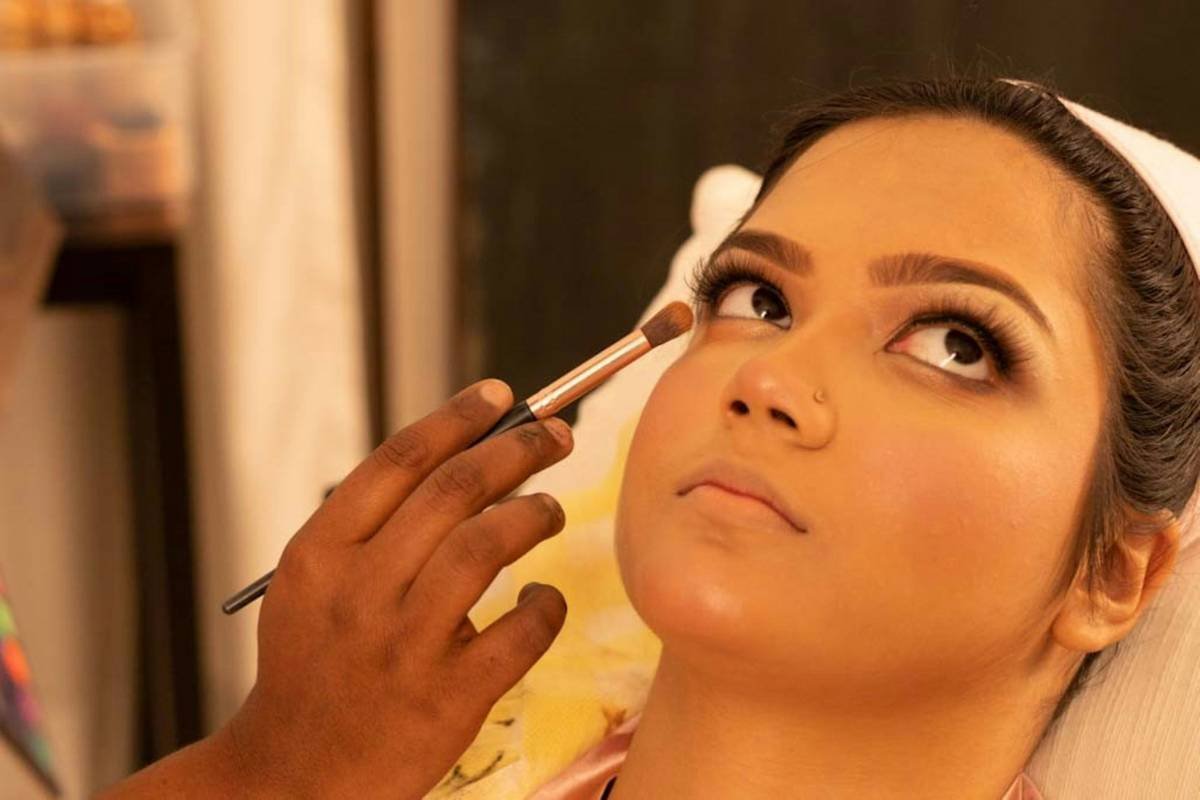
According to the Journal of Cosmetic Dermatology, scars reflect light differently than surrounding skin due to altered collagen structure. That’s why even full-coverage foundation can look patchy—it settles into uneven micro-terrain. The fix? Strategic layering, not heavier products.
Optimist You: “I can make it disappear!”
Grumpy You: “Sigh… fine—but only if we use green corrector AND set it with translucent powder. No shortcuts.”
Step-by-Step Guide to Covering Scars for Weddings
How do I prep scarred skin before applying makeup?
Hydrate first. Scar tissue lacks sebaceous glands, so it dries faster. Apply a fragrance-free moisturizer (CeraVe Healing Ointment works wonders) 20 minutes pre-makeup. Then, use a silicone-based primer like Smashbox Photo Finish Pore Minimizing Primer—it fills texture without irritating sensitive areas.
Which color corrector should I use for my scar?
- Red/pink scars: Use a mint-green corrector (e.g., LA Girl Pro Conceal HD in Green).
- Purple/dark scars: Reach for peach or orange (Bobbi Brown Corrector in Bisque for fair skin, Rich Bisque for deeper tones).
- White/hypopigmented scars: Warm-toned correctors + matching foundation prevent “ghosting.”
Dab—not rub—with a small synthetic brush. Blend edges outward. Let it sit 30 seconds before next step.
What foundation and concealer combo actually lasts 12+ hours?
Go high-pigment, matte-finish: Dermablend Cover Creme or Kryolan TV Paint Stick. These were developed for film/theater—meaning they withstand tears, sweat, and flash. Apply with a damp sponge in thin layers. Never cake!
How do I set it without making texture worse?
Avoid heavy powders. Instead, mist with Ben Nye Final Seal or Morphe Continuous Setting Mist. For oily zones near scars, lightly press translucent powder ONLY on surrounding skin—never directly on the scar.
Pro Tips for Long-Lasting Scar Cover-Up
- Do a daylight + flash test: Your vanity mirror lies. Check coverage near a window AND with phone flash.
- Carry a mini touch-up kit: Include corrector, concealer, and Q-tips—not full compacts. Brides rarely reapply perfectly.
- Avoid shimmer near scars: It highlights texture. Save glow for cheekbones, not jawline imperfections.
- Coordinate with your photographer: Ask them to soften skin slightly in edits—but never rely on Photoshop alone.
⚠️ Terrible Tip Alert: “Just use your regular BB cream—it’s lightweight!” Nope. Light formulas sheer out over scars, making contrast worse. Trust me—I learned this when a bride’s cesarean scar glowed neon under reception lights. Mortifying.
Real Brides, Real Results: Case Studies
Case 1: Lena, 28 – Acne Scarring (Cheeks & Forehead)
Skin Type: Olive, combination
Challenge: Deep icepick scars cast shadows even with contour
Solution: Peach corrector → Dermablend Cover Care Foundation → airbrush finish
Result: In 300+ wedding photos, zero scar visibility. Her words: “I finally looked like *me*—just elevated.”
Case 2: Aisha, 32 – Burn Scar (Left Arm & Shoulder)
Skin Type: Deep brown, dry
Challenge: Hypopigmentation made scar appear white in sunlight
Solution: Custom-mixed warm corrector + Kryolan Aquacolor palette matched to body
Result: Seamless blend even in sleeveless gown. Her husband said, “You glowed like moonlight.”
FAQ: Bridal Makeup for Scars
Q: Can I use regular concealer on surgical scars?
A: Only if it’s highly pigmented and matte. Drugstore concealers often lack opacity for raised or discolored scars. Invest in pro-grade.
Q: Will makeup irritate fresh scars?
A: Wait until fully healed (usually 6–12 weeks post-injury). Patch-test all products. Avoid alcohol-heavy formulas.
Q: Should I tell my makeup artist about my scars beforehand?
A: Absolutely—and send reference photos. A skilled MUA will schedule extra time for color matching and layering.
Q: Does flash photography make scars more noticeable?
A: Yes, harsh direct flash exaggerates texture. Ask your photographer to bounce flash or use diffusers.
Final Thoughts
Bridal makeup for scars isn’t about erasure—it’s about empowerment. With the right prep, color science, and pro products, your scar can fade into the background while your joy takes center stage. Remember Maya? She sent me a photo last month: laughing on her honeymoon, scar barely visible, eyes sparkling with the confidence we built together.
So go ahead—book that trial. Test that green corrector. Stand tall in your gown. Because on your wedding day, you’re not defined by what your skin has endured. You’re radiant because you’re loved.
Like a 2000s burn book, but kinder: “Scar? More like *star*.” 💖

