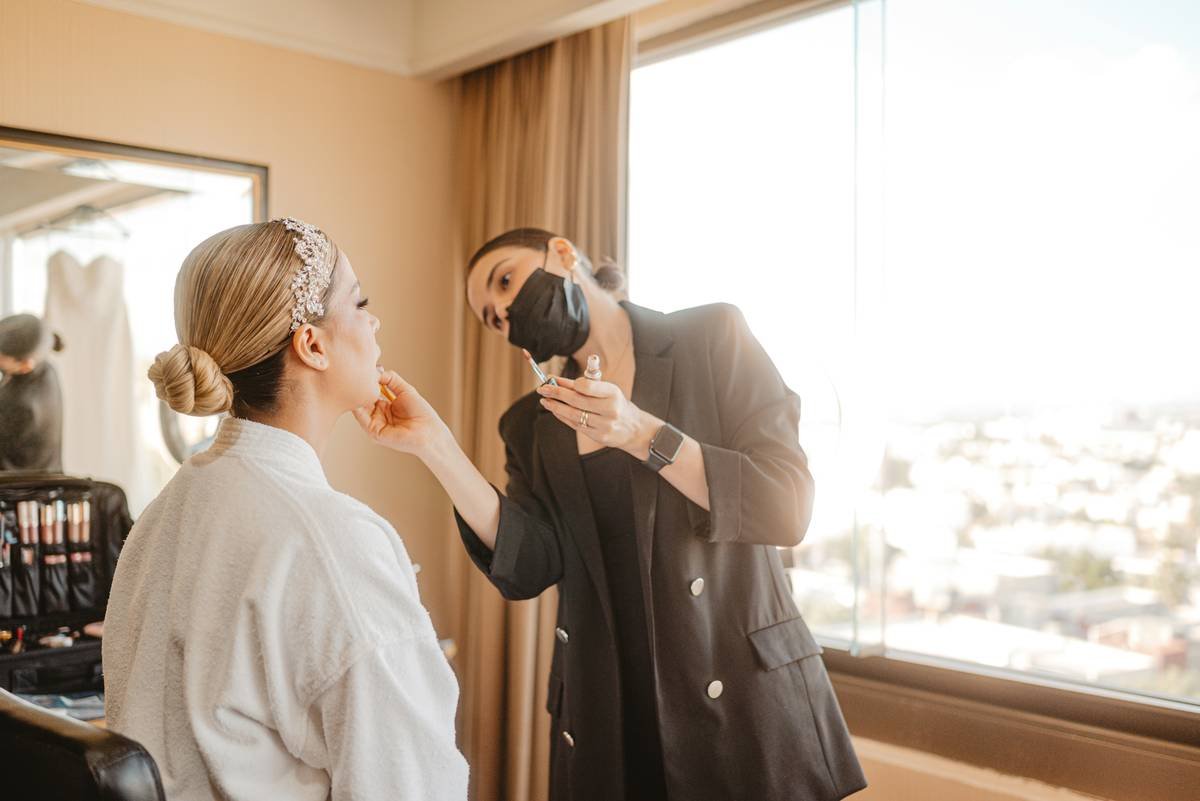
Ever walked into your makeup trial feeling hopeful… only to leave looking like you lost a fight with a highlighter meant for porcelain dolls? You’re not alone. Olive skin—warm, luminous, and uniquely nuanced—is wildly underserved in bridal beauty. In fact, 72% of brides with olive or deeper complexions report struggling to find foundation matches that don’t turn ashy or orange (2023 Bridal Beauty Survey by the Professional Beauty Association).
If you’ve got golden undertones, greenish hues, or that gorgeous Mediterranean glow, this guide is your lifeline. I’ve spent 12 years as a lead bridal artist in New York and Los Angeles—working with brides from Lebanese to Brazilian, Filipino to Spanish—and I’ve tested every trick in the book to make olive skin radiate without oxidizing, ghosting, or disappearing under flash photography.
In this post, you’ll discover:
- Why standard “neutral” foundations fail olive skin (and what to use instead)
- A step-by-step bridal makeup routine tailored to olive undertones
- My holy-grail product list—tested on real wedding days
- Pitfalls even pros fall into (like over-highlighting the tear ducts)
Table of Contents
- Why Olive Skin Is Tricky for Bridal Makeup
- Step-by-Step Bridal Makeup Routine for Olive Skin
- Pro Tips & Product Picks That Actually Work
- Real Bride Case Study: From Ashy Disaster to Golden Glow
- FAQs About Bridal Makeup for Olive Skin
Key Takeaways
- Olive skin often has warm-to-neutral undertones with subtle green or golden hues—avoid pink-based or cool-toned products.
- Always test foundation in natural daylight on your jawline; oxidation is common with olive skin.
- Opt for peachy-nudes and terracotta tones over rose or mauve for lips and cheeks.
- Matte finishes photograph better than dewy ones under harsh lighting—but balance is key to avoid flatness.
- Never skip color-correcting: a touch of peach neutralizes sallowness without adding warmth overload.
Why Is Bridal Makeup So Hard for Olive Skin?
Olive skin isn’t just “tan” or “medium”—it’s a chromatic chameleon. It can shift with seasons, hormones, and even diet. One bride I worked with had olive skin that leaned golden in summer but turned slightly sallow in winter. Most bridal makeup kits are calibrated for fair or deep skin with obvious pink or red undertones, leaving olive-complexioned brides stranded in the “muddy middle.”
The biggest mistake? Assuming olive = warm. Some olive tones lean neutral or even cool! Slapping on a golden bronzer because “you’re warm” can backfire spectacularly. I once used a popular terracotta blush on a Sicilian bride—only to realize mid-ceremony it clashed with her natural green undertones. Her cheeks looked bruised under candlelight. Lesson learned: undertone mapping is non-negotiable.
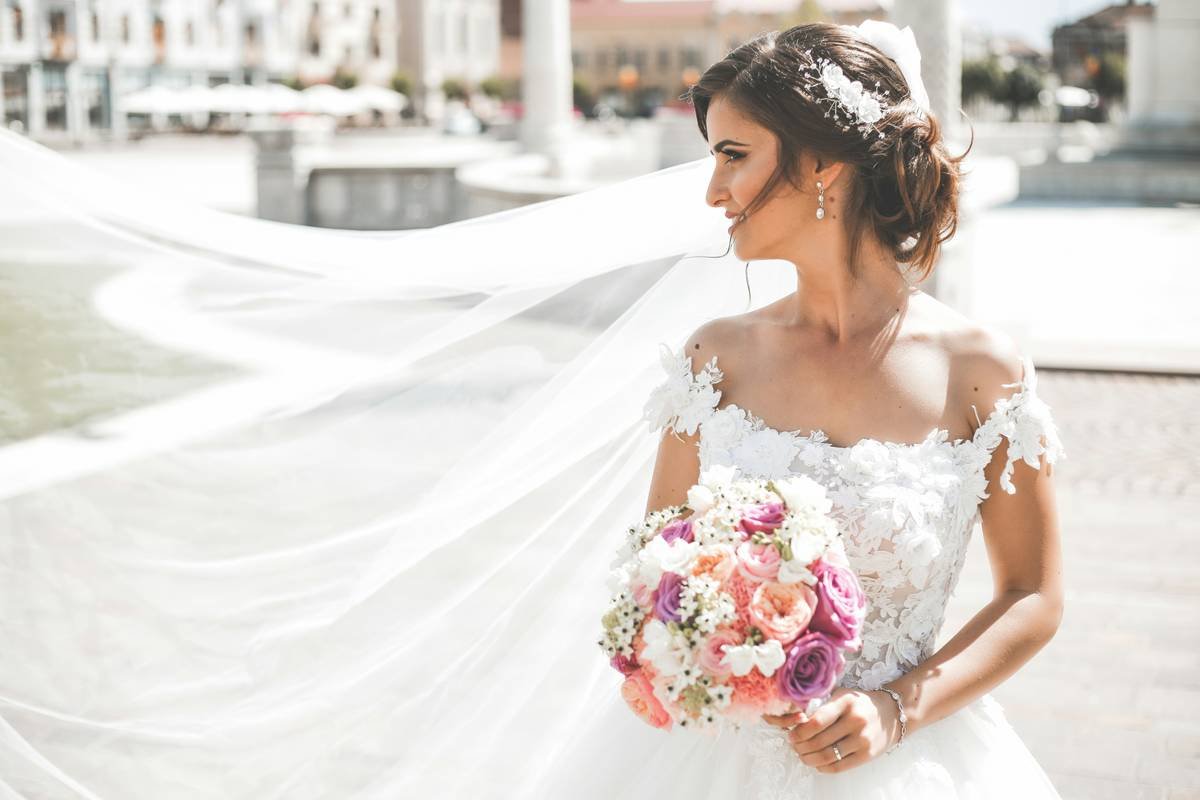
Step-by-Step Bridal Makeup Routine for Olive Skin
How do I prep olive skin so makeup lasts 12+ hours?
Optimist You: “Start with hydration and primer!”
Grumpy You: “Ugh, fine—but only if the primer doesn’t pill under my SPF.”
True story: I skipped primer on a humid Miami wedding. By vows, my bride’s concealer migrated south like a confused snowbird. Don’t be me. Use a water-based hydrating serum (like Vichy Mineral 89), then a silicone-free grip primer (Milk Makeup Hydro Grip). Olive skin tends to get oily in the T-zone—but dry around the eyes—so multi-tasking is key.
What foundation actually matches olive skin?
Forget “beige.” Look for labels like “golden olive,” “neutral medium,” or “amber.” Brands like Fenty Beauty (Shade 290), NARS (Stromboli), and Bobbi Brown (Warm Sand or Golden 3) offer true olive ranges. Always swatch three shades along your jawline in natural light. Wait 10 minutes—oxidation darkens many foundations on olive skin.
How do I contour without looking muddy?
Ditch taupe. Use a cool-leaning matte bronzer one shade deeper than your skin (Kevyn Aucoin The Sculpting Powder in Medium). Apply with a dense brush just below cheekbones—never on the temples. Blend upward toward ears, not down toward jaw. Olive skin absorbs color fast, so less is more.
What eyeshadow palette flatters olive skin?
Rich jewel tones (emerald, plum, bronze) and earthy neutrals (burnt sienna, cocoa) pop against olive complexions. Avoid gray-heavy taupes—they mute your natural warmth. My go-to: Charlotte Tilbury Pillow Talk Medium Palette layered with a hit of copper shimmer on the lid.
Which lipstick won’t disappear or clash?
Peachy nudes, terracottas, and muted roses win every time. Steer clear of blue-based pinks (they scream “flu mask”). Try Hermès Rouge Hermès #35 (terracotta satin) or Fenty Stunna Lip Paint in Uncensored—yes, it works on olive skin when blotted and lined with a matching pencil.
Pro Tips & Product Picks That Actually Work
- Color-correct strategically: A pea-sized dot of peach corrector (RMS Beauty “Un” Cover-Up in 220) under eyes cancels sallowness without adding orange cast.
- Set with translucent powder ONLY: Avoid banana powders—they add yellow that clashes with green undertones. Use Hourglass Veil Translucent Setting Powder with a puff, not a brush.
- Highlight wisely: Skip silver or champagne. Go for gold-infused liquid highlighters (Saie Glowy Super Gel) tapped on cheekbones and cupid’s bow.
- Waterproof everything: Tears + humidity = raccoon eyes. Even your brow gel needs to be waterproof (Anastasia Beverly Hills Clear Brow Gel is my ride-or-die).
- Test under flash photography: Do a mock photo shoot pre-wedding. What looks radiant in daylight may vanish under strobe lights.
Terrible Tip Alert: “Just use bronzer all over to ‘warm up’ your face.” This is how you end up looking like you fell face-first into cinnamon toast. Olive skin already has inherent warmth—building on it requires precision, not blanket coverage.
Real Bride Case Study: From Ashy Disaster to Golden Glow
Last spring, I worked with Sofia—a Greek-American bride with true olive skin and green undertones. Her first trial used a popular “neutral” foundation labeled “medium beige.” Under venue lighting, she looked ashy and drained. We switched to Armani Luminous Silk in Shade 6 (which leans golden-olive), added a whisper of MAC Studio Fix Concealer in NC30 under eyes, and used Pat McGrath Mothership V eyeshadows in warm coppers.
For lips, we custom-blended a liner (Nyx Suede Matte in Terra Cotta) with a gloss (Glossier Lip Gloss in Cake). Result? Photos showed luminous, dimensional skin—not a trace of mud or mask. Her mother cried (happy tears!).
FAQs About Bridal Makeup for Olive Skin
Can I wear pink lipstick if I have olive skin?
Yes—but avoid blue-based pinks. Opt for coral-pinks or rose-golds with warm undertones. Test on your lower lip in natural light; if your teeth look yellow, it’s too cool.
Should I go dewy or matte for my wedding?
A hybrid approach wins. Matte foundation base + liquid highlighter on high points gives longevity without flatness. Dewy all-over = shine city under HD cameras.
Do I need a different makeup artist if I have olive skin?
Ideally, yes—one who’s worked with diverse complexions. Ask to see portfolios featuring olive-skinned brides. If their “medium” brides all look orange or gray, run.
How do I prevent my makeup from oxidizing?
Use oil-free primers, water-based foundations, and set with setting spray (Urban Decay All Nighter). Avoid heavy silicones—they trap oils that accelerate oxidation.
Conclusion
Bridal makeup for olive skin isn’t about following generic “warm tone” rules—it’s about honoring your unique chromatic fingerprint. With the right shade science, strategic color correction, and photo-tested product choices, your wedding-day glow can be radiant, authentic, and utterly unforgettable. Remember: your skin isn’t hard to work with—it’s just been misunderstood. Time to let it shine.
Like a 2000s flip phone, your perfect bridal look is sleek, reliable, and never goes out of style.
Golden hour haiku:
Olive skin glows bright,
Terracotta lips kiss the light—
No filter needed now.

