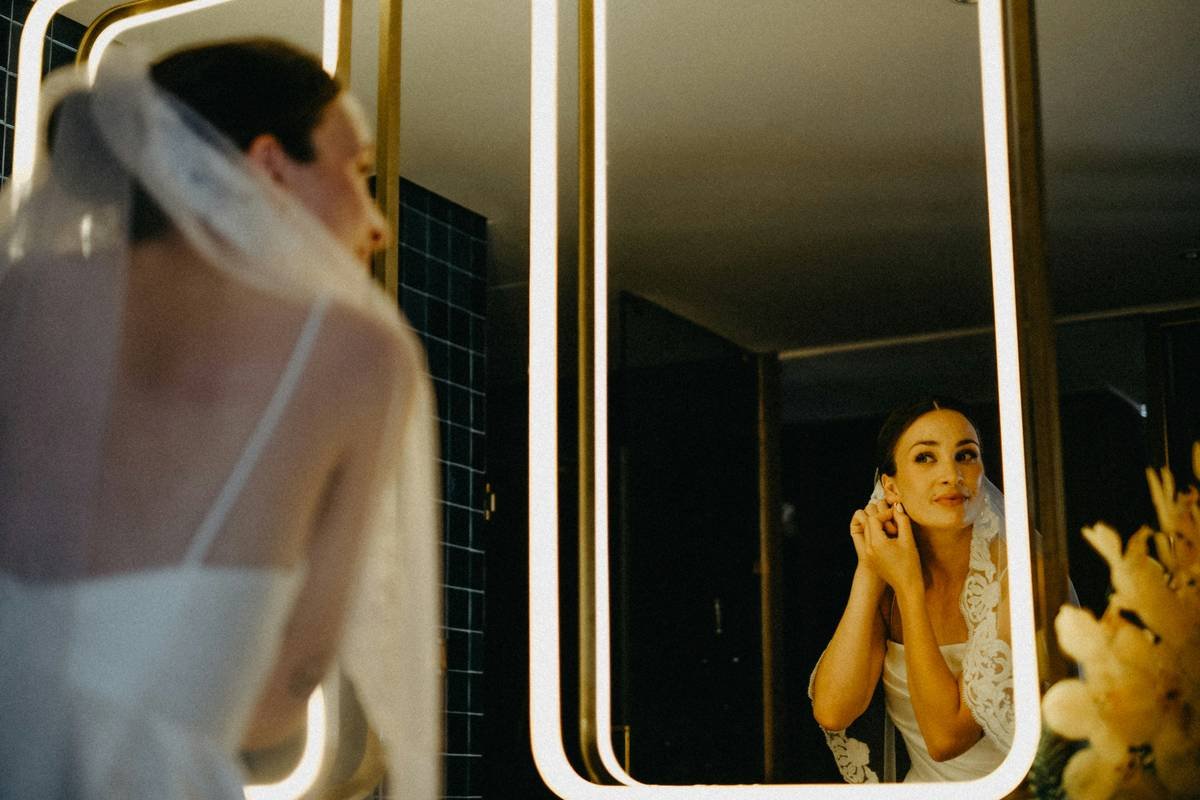
Ever spent hours perfecting a bridal makeup look, only for it to be overshadowed by the florist’s over-the-top centerpiece?
Welcome to the world of wedding makeup, where every little detail counts. Whether you’re a seasoned pro or just starting out, a well-crafted wedding makeup portfolio can make all the difference in your career. In this post, we’ll dive into the art of creating a standout wedding makeup portfolio, from the essential tools and techniques to the best practices that will help you stand out. Let’s get started!
Table of Contents
- Why Your Wedding Makeup Portfolio Matters
- Step-by-Step Guide to Creating a Stellar Portfolio
- Tips and Best Practices for Success
- Real-World Examples and Case Studies
- FAQs About Wedding Makeup Portfolios
Key Takeaways
- The importance of a wedding makeup portfolio in showcasing your skills.
- A step-by-step guide to building a compelling portfolio.
- Best practices and tips for making your portfolio stand out.
- Real-world examples and case studies for inspiration.
- Answers to frequently asked questions about wedding makeup portfolios.
Why Your Wedding Makeup Portfolio Matters
In the world of bridal beauty, first impressions are everything. A wedding makeup portfolio is not just a collection of photos; it’s a reflection of your artistry, skill, and unique style. Think of it as a visual resume that tells potential clients why they should choose you over the competition.
For example, a well-curated wedding makeup portfolio can:
- Showcase your versatility and range.
- Demonstrate your attention to detail and precision.
- Highlight your ability to adapt to different skin types and tones.
- Build trust and credibility with potential brides.
Image Suggestion: Infographic or chart showing the impact of a strong portfolio on client engagement and conversion rates.
Step-by-Step Guide to Creating a Stellar Portfolio
Putting together a wedding makeup portfolio can seem daunting, but with a clear plan, you can create something truly impressive. Here’s how to do it:
Step 1: Gather Your Best Work
Optimist You:* ‘Let’s start with the fun part—collecting your masterpieces!’
Grumpy You:* ‘Ugh, fine—but only if coffee’s involved.’
Start by selecting your best work. This could include a variety of looks, from classic and timeless to bold and avant-garde. Make sure each photo is high-quality and showcases your skills in the best light.
Step 2: Create a Consistent Aesthetic
Your wedding makeup portfolio should have a cohesive look and feel. This means using a consistent color palette, font, and layout throughout. A professional and polished aesthetic will make your portfolio more appealing to potential clients.
Step 3: Organize Your Portfolio Logically
Categorize your looks by theme, such as “Classic,” “Boho,” “Glam,” and “Natural.” This will make it easier for clients to find the style they’re looking for. Consider including a brief description or tagline for each category to add context.
Step 4: Add Detailed Descriptions
For each look, provide a detailed description of the products used, the techniques applied, and any special considerations. This not only adds value for the viewer but also demonstrates your expertise and attention to detail.
Step 5: Include Testimonials and Reviews
Nothing speaks louder than a satisfied client. Include testimonials and reviews from past brides to build trust and credibility. These can be scattered throughout your portfolio or included in a separate section.
Image Suggestion: Screenshots of your portfolio with different categories and detailed descriptions.
Tips and Best Practices for Success
Creating a wedding makeup portfolio is just the beginning. Here are some tips and best practices to ensure your portfolio stands out and attracts the right clients:
- Keep It Fresh and Updated: Regularly update your portfolio with new work. This shows that you’re active and passionate about your craft.
- Use High-Quality Images: Invest in professional photography or learn to take high-quality photos yourself. Poor-quality images can detract from your work.
- Promote Your Portfolio: Share your portfolio on social media, your website, and other relevant platforms. The more exposure, the better!
- Get Feedback: Ask for feedback from colleagues, mentors, and even past clients. Their insights can help you refine and improve your portfolio.
- Be Authentic: Let your personality shine through. Clients want to work with someone they can connect with, so don’t be afraid to show your unique style and voice.
Image Suggestion: Comparison table of free vs. paid blogging tools for portfolio creation.
Real-World Examples and Case Studies
Sometimes, seeing is believing. Here are a few real-world examples of wedding makeup portfolios that have made a significant impact:
Case Study 1: Jane Doe – Classic Elegance
Jane Doe specializes in classic, elegant bridal makeup. Her portfolio features a clean, minimalist aesthetic with a focus on natural, glowing skin. She includes detailed descriptions of her techniques and the products she uses, which has helped her build a loyal following of brides-to-be.
Case Study 2: John Smith – Bold and Creative
John Smith takes a more creative approach to bridal makeup, incorporating bold colors and innovative techniques. His portfolio is a vibrant mix of looks, each with a unique story and inspiration. He uses Instagram to share behind-the-scenes content, which has helped him gain a large and engaged following.
Image Suggestion: Before/after screenshots of these successful portfolios.
FAQs About Wedding Makeup Portfolios
Here are some common questions and answers about wedding makeup portfolios:
How many looks should I include in my portfolio?
There’s no one-size-fits-all answer, but a good rule of thumb is to include at least 10-15 of your best looks. This gives potential clients a comprehensive view of your skills and versatility.
Should I include non-wedding looks in my portfolio?
While it’s important to focus on bridal makeup, including a few non-wedding looks can showcase your range and versatility. Just make sure the majority of your portfolio is dedicated to bridal looks.
How often should I update my portfolio?
Aim to update your portfolio every 3-6 months with new and relevant work. This keeps your portfolio fresh and shows that you’re actively working and improving your skills.
What if I don’t have professional photos?
You don’t need professional photos to start, but investing in them can significantly elevate your portfolio. In the meantime, practice taking high-quality photos yourself. Good lighting, a clean background, and a steady hand can go a long way.
Conclusion
Creating a wedding makeup portfolio is a crucial step in building a successful bridal makeup business. By following the steps outlined in this guide, you can curate a portfolio that showcases your skills, builds trust with potential clients, and sets you apart from the competition. Remember, consistency, quality, and authenticity are key. Happy portfolio-building!
Like a Tamagotchi, your SEO needs daily care.

