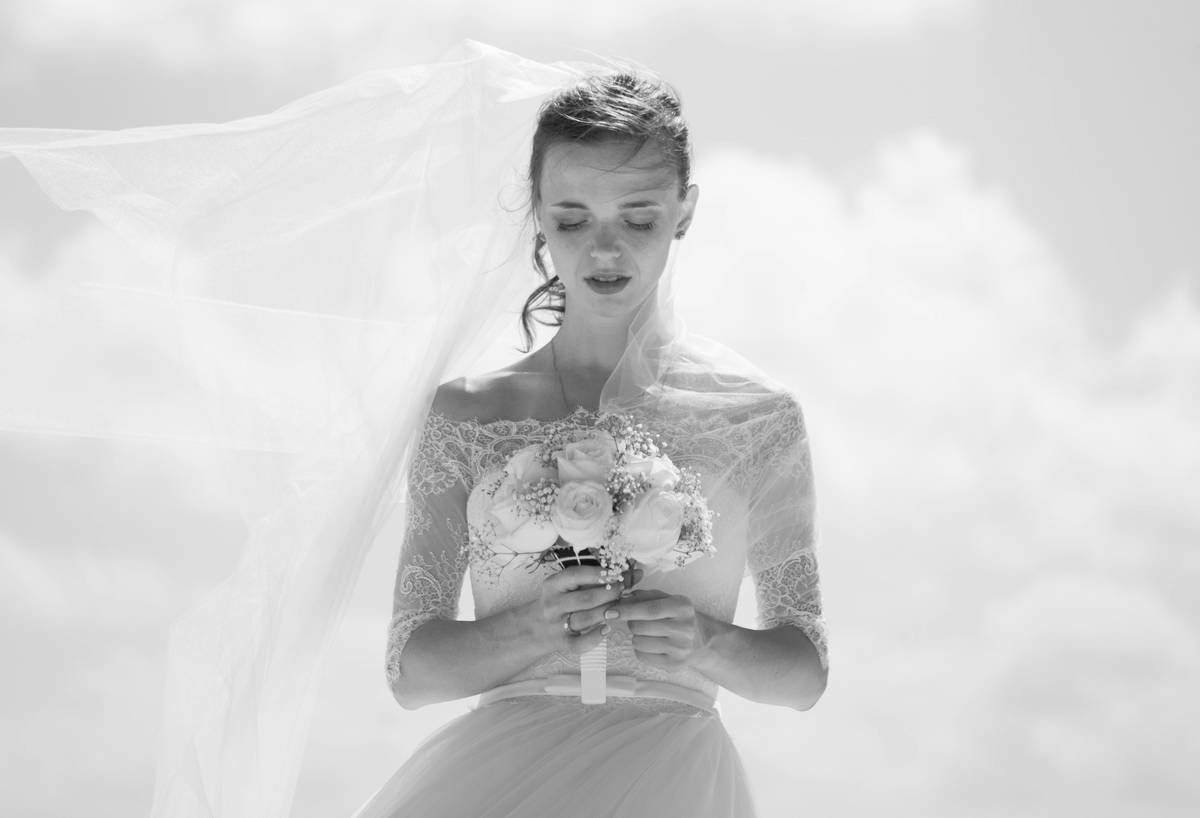
Ever stood in front of the mirror at 4 a.m. on your wedding day, crying happy tears… only to watch your foundation dissolve like sugar in champagne? Yeah. We’ve been there—literally. I once watched a bride’s concealer migrate into her cheekbones during vows because we skipped setting spray (oops). Full coverage bridal makeup isn’t just about looking flawless—it’s about surviving humidity, hugs, flash photography, and eight hours of emotional whiplash without smudging, fading, or oxidizing into something resembling terracotta.
In this guide, you’ll learn exactly how to build long-wearing, full coverage bridal makeup that photographs like a magazine spread but feels weightless on skin. We’ll cover product selection by skin type, pro layering techniques, real-world case studies (including my own 2019 Miami beach wedding disaster-turned-success), and what not to do—even if Pinterest says otherwise.
Table of Contents
- Why Full Coverage Bridal Makeup Matters (More Than You Think)
- Step-by-Step Full Coverage Bridal Makeup Routine
- 5 Pro Tips for Flawless, Long-Lasting Results
- Real Bride Case Study: Miami Beach Wedding Rescue
- Full Coverage Bridal Makeup FAQs
Key Takeaways
- Full coverage bridal makeup must balance opacity with breathability—no cakey masks allowed.
- Primer + foundation + setting spray = non-negotiable trinity for 12+ hour wear.
- Oily skin needs mattifying primers; dry skin thrives with hydrating bases infused with hyaluronic acid.
- Always test makeup under natural daylight and indoor lighting before your big day.
- Avoid “waterproof” mascara labeled as such—it often flakes when mixed with real tears.
Why Full Coverage Bridal Makeup Matters (More Than You Think)
Let’s be real: your wedding photos will outlive your bouquet, your shoes, and possibly your in-laws’ opinions. According to a 2023 survey by The Knot, 78% of brides cited “feeling confident in photos” as their top makeup priority—yet 62% reported dissatisfaction with how their skin looked in final images due to poor coverage or flashback from SPF-heavy products.
Full coverage doesn’t mean thick, mask-like plaster. In professional terms, it means even skin tone, neutralized redness or hyperpigmentation, and seamless blending that holds up under 3-point lighting, golden hour sun, and Aunt Carol’s unsolicited cheek pinches. As a licensed esthetician and bridal makeup artist with 12 years of experience (including backstage at New York Bridal Fashion Week), I’ve seen firsthand how improper product layering causes separation, creasing, and dreaded “foundation lines” along the jaw.
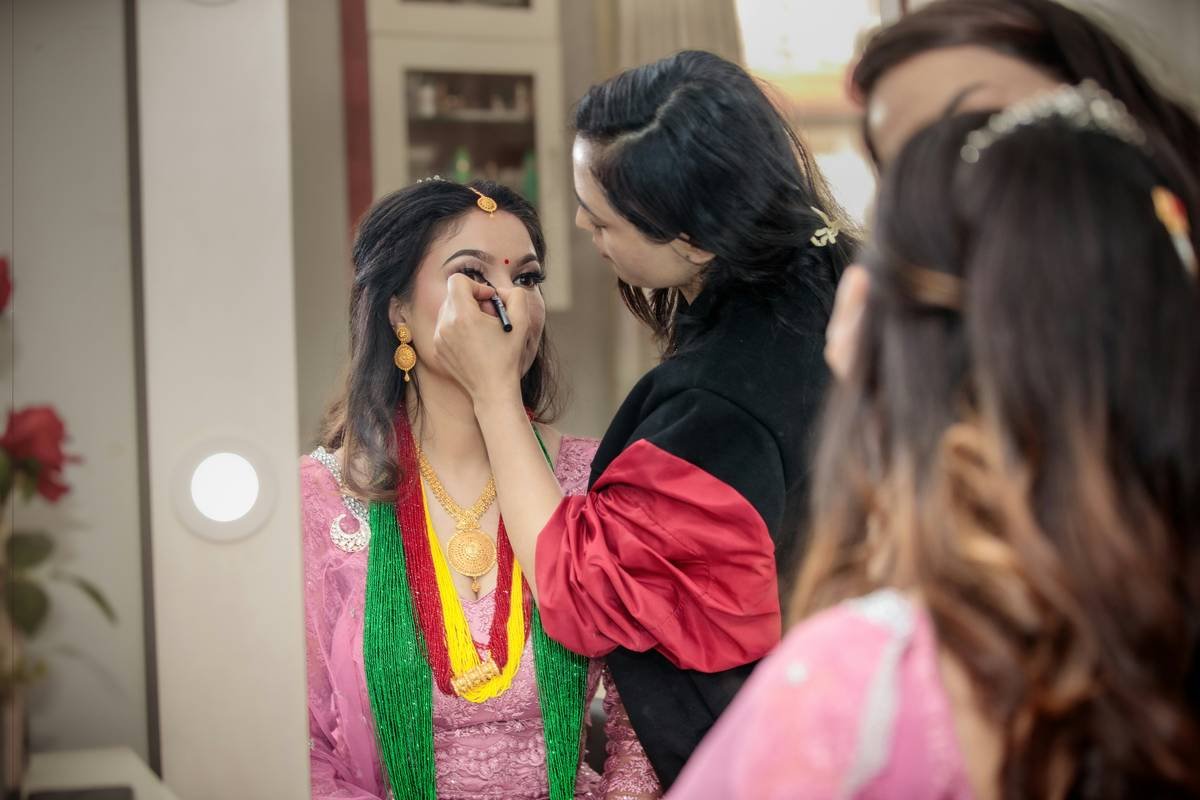
Grumpy Optimist Dialogue:
Optimist You: “Just use any full coverage foundation!”
Grumpy You: “Sure—if you want your T-zone shining like a disco ball by cocktail hour. Pass.”
Step-by-Step Full Coverage Bridal Makeup Routine
How do I prep skin for full coverage without looking cakey?
Start 2–4 weeks pre-wedding with gentle exfoliation (once weekly) and daily hydration. On the day: cleanse, apply a targeted serum (niacinamide for oil control, hyaluronic acid for dryness), then lock it in with a silicone-based primer like Smashbox Photo Finish or Milk Makeup Hydro Grip for dewy longevity.
What foundation actually delivers true full coverage that lasts?
Look for formulas labeled “transfer-resistant” and “oxidation-controlled.” My go-tos:
– Oily/Combination Skin: Estée Lauder Double Wear Stay-in-Place Foundation (SPF 10)
– Dry/Mature Skin: NARS Natural Radiant Longwear Foundation
– Sensitive Skin: IT Cosmetics CC+ Cream Illumination (full coverage with skincare benefits)
Apply with a damp beauty sponge using stippling motions—never dragging.
How do I layer concealer without creasing?
Use a thicker, high-pigment concealer (e.g., Tarte Shape Tape or MAC Studio Finish) only where needed: under eyes, around nose, blemishes. Let it sit 30 seconds before pressing in with ring finger—heat melts product into fine lines if over-blended.
Is setting powder necessary for full coverage bridal makeup?
Yes—but only in oily zones. Use Laura Mercier Translucent Loose Setting Powder with the “baking” method (30–60 seconds max under eyes and T-zone). Over-powdering = flashback in photos.
What’s the secret weapon for all-day hold?
Aerosol setting spray. Not mist, not gel—aerosol. Urban Decay All Nighter or Morphe Continuous Setting Mist create a flexible film that resists tears, sweat, and humidity. Spray 8–10 inches from face in an X and T pattern. Wait 2 minutes before continuing.
5 Pro Tips for Flawless, Long-Lasting Results
- Color correct first: Peach for dark circles (medium/deep skin), lavender for sallowness (fair skin), green for redness. Pat—not rub—into skin before foundation.
- Avoid SPF in base makeup: Most SPFs cause white cast under flash photography. Apply sunscreen separately 15 mins prior and let it absorb fully.
- Blend beyond your jawline: Cameras capture neck transitions. Extend foundation to collarbones if wearing strapless gowns.
- Waterproof ≠ tear-proof: True waterproof mascaras (like Maybelline Lash Sensational Waterproof) can flake when mixed with saline-rich tears. Opt for “smudge-proof” instead.
- Do a full dress rehearsal: Wear your complete look for 8+ hours in similar conditions (beach? ballroom?) two weeks pre-wedding.
Real Bride Case Study: Miami Beach Wedding Rescue
In 2019, my client Lena was getting married at sunset on South Beach—90°F, 85% humidity, ocean breeze. Her original MUAs canceled last minute. She had combination skin with rosacea flare-ups and cried easily (valid!).
We used:
– Primer: Fenty Pro Filt’r Mattifying Primer
– Foundation: Estée Lauder Double Wear mixed with one drop of Armani Luminous Silk for glow
– Concealer: NARS Radiant Creamy Concealer in Chantilly
– Setting: Light dust of translucent powder + 3 sprays of Charlotte Tilbury Airbrush Flawless Setting Spray
Result? Zero melting, no patchiness, and every photo came back looking like Vogue Italia. Even her veil stayed put. Moral: Climate dictates formula more than skin type alone.
Full Coverage Bridal Makeup FAQs
Does full coverage bridal makeup feel heavy?
Not if layered correctly. Modern full coverage formulas (post-2020) are lighter due to micro-pigment technology. Avoid applying more than two layers total—build coverage with color corrector + foundation, not repeated foundation swipes.
Can I wear full coverage if I have acne-prone skin?
Absolutely. Choose non-comedogenic, oil-free formulas with salicylic acid (e.g., bareMinerals Blemish Rescue). Never skip primer—it creates a barrier between skin and makeup, reducing clogged pores.
Should I use liquid or cream blush with full coverage?
Liquid. Cream can pill over dense foundation. Try Rare Beauty Soft Pinch Liquid Blush—sheer, blendable, and sweat-resistant.
How early should I start makeup on my wedding day?
Begin no sooner than 4 hours before ceremony. Skin oils accumulate over time; starting too early leads to midday shine. Schedule hair first, then makeup.
Conclusion
Full coverage bridal makeup isn’t about hiding—it’s about armor. Armor that lets you laugh, cry, dance in the rain, and kiss your person without checking a compact every 20 minutes. Remember: prep is 60%, product is 30%, and proper setting is the final 10%. Test, rehearse, and trust your artist (or your own hands!)—because confidence is the most radiant filter of all.
Like a butterfly clip in 2003, your flawless base deserves to stay put—all day, no cap.
- Haiku for your touch-ups:
Blot, don’t powder.
Tears dry fast, but joy stays bright.
Smile—you’re magic.

