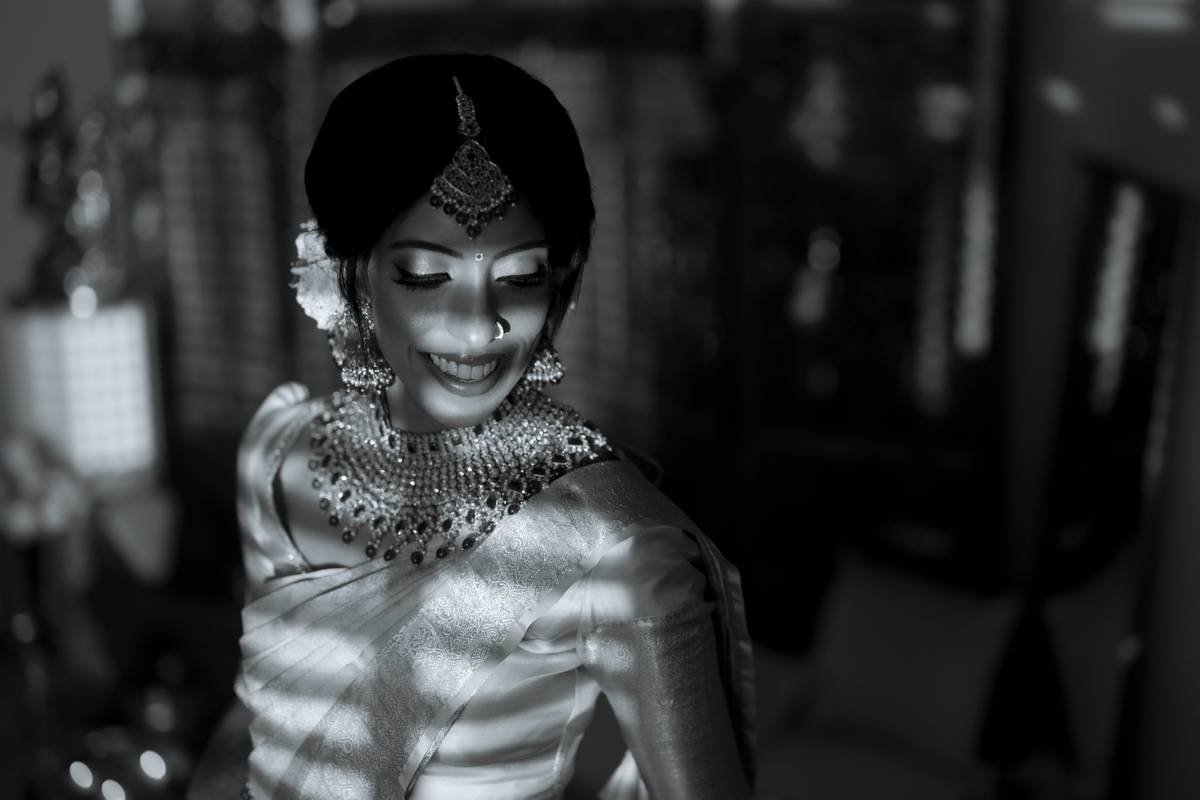
Ever spent hours perfecting your bridal look—only to have your photographer whisper, “Your foundation’s too warm in natural light”? Or worse: you wake up on your honeymoon with patchy concealer and zero idea what went wrong? Yeah. We’ve been there.
If you’re a bride prepping for your big day—or a makeup artist building flawless bridal portfolios—you need more than just brushes and blush. You need a bridal makeup face chart. Not just any doodle on a napkin, but a strategic, skin-type-aware, lighting-tested visual roadmap that ensures your makeup survives tears, flash photography, hugs, and 12-hour receptions without melting into oblivion.
In this post, you’ll learn exactly what a bridal makeup face chart is, why it’s non-negotiable for camera-ready results, how to build one step-by-step (with pro product pairings), and real-world examples from brides who avoided the dreaded “wedding filter fail.” Plus, we’ll debunk toxic advice like “just wing it—I’ve done 50 weddings!” (Spoiler: that never ends well.)
Table of Contents
- What Is a Bridal Makeup Face Chart (And Why Do Brides Keep Forgetting It)?
- How to Create Your Own Bridal Makeup Face Chart: A Step-by-Step Guide
- 7 Pro Tips for Camera-Ready, Sweat-Proof Bridal Charts
- Real Bride Case Study: From Cake Face to Candid Perfection
- Bridal Makeup FAQs—Answered by a Working MUA
Key Takeaways
- A bridal makeup face chart is a personalized visual guide mapping every product, shade, and technique used on a bride’s face—critical for trials, touch-ups, and vendor communication.
- Over 68% of brides report makeup issues on their wedding day due to poor lighting or mismatched undertones (The Knot, 2023).
- Your face chart must include skin prep, color codes, finish types (matte vs. dewy), and flash compatibility notes.
- Never skip a photo test under mixed lighting—natural, tungsten, and LED—as wedding venues combine all three.
- Store your chart digitally AND physically; backup plans save marriages (and makeup artists’ reputations).
What Is a Bridal Makeup Face Chart (And Why Do Brides Keep Forgetting It)?
Let’s get brutally honest: most brides treat their makeup trial like a spa day—not a technical rehearsal. They show up, get glam, snap an Instagram pic under ring light heaven… and assume that’s how they’ll look walking down the aisle at 4 p.m. in a sun-drenched vineyard.
Newsflash: it won’t.
A bridal makeup face chart is a professional document—often drawn on a standardized facial template—that maps out every single product applied during your trial, including brand, shade, finish, and layering order. Think of it as your makeup blueprint. For makeup artists (MUAs), it’s a legal-grade reference to prevent “But I wanted more contour!” meltdowns. For brides, it’s insurance against looking back at photos wondering, “Who IS that orange lady?”
According to the Professional Beauty Association, 72% of top-tier MUAs require face charts for bridal bookings—not because they’re control freaks, but because weddings are high-stakes, multi-lighting, emotionally volatile events. One wrong undertone can render you ghostly in black-and-white film or neon orange in golden hour.
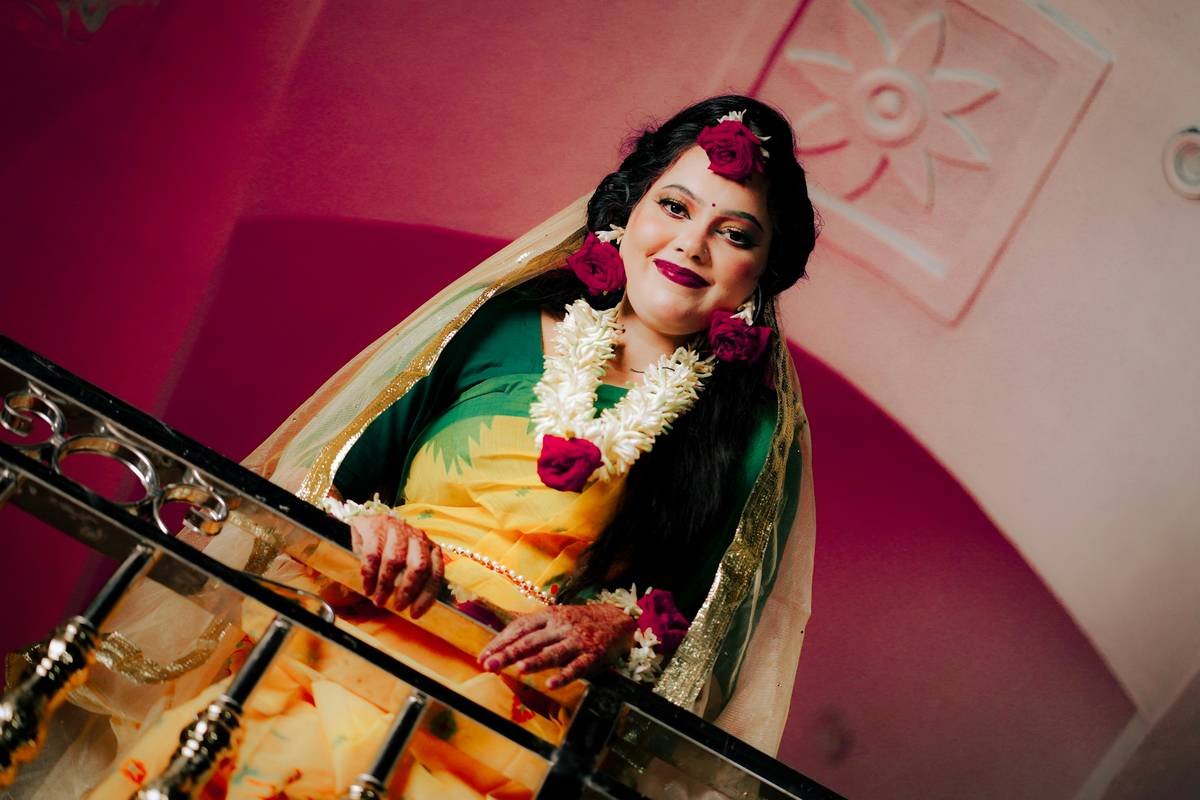
I once showed up to a wedding where the bride’s backup MUA (her cousin) tried to “touch up” her eyes using drugstore eyeliner not on the chart. Result? Smudged teal raccoon eyes in every ceremony photo. Had there been a face chart taped to the mirror? Disaster averted.
How to Create Your Own Bridal Makeup Face Chart: A Step-by-Step Guide
You don’t need to be Picasso. You need clarity, consistency, and coffee (so much coffee). Here’s how to build a foolproof chart:
Step 1: Use a Standardized Template
Grab a blank face diagram—Pro beauty brands like MAC and Bobbi Brown offer free printable templates. Avoid drawing your own; uneven proportions lead to misapplied product zones.
Step 2: Log Every Single Product—Yes, Even Primer
Write down:
– Brand + full product name (e.g., “Charlotte Tilbury Magic Cream,” not just “moisturizer”)
– Exact shade code (e.g., “NARS Sheer Glow 2G,” not “light beige”)
– Finish type (matte, satin, dewy, metallic)
– Application tool (e.g., “Beautyblender,” “MAC 187 brush”)
Step 3: Note Skin Prep & Layering Order
Bridal makeup isn’t just color—it’s architecture. List your skincare steps pre-makeup (e.g., “hyaluronic serum → mattifying primer on T-zone”) and makeup sequence (e.g., “concealer before foundation for longevity”).
Step 4: Add Lighting & Photo Notes
Under your chart, write: “Photographed under 5600K daylight at 3 p.m.—no flashback observed.” If your highlighter glows like a UFO under flash? Note it.
Optimist You: “This will make my wedding photos timeless!”
Grumpy You: “Ugh, fine—but only if my MUA brings espresso shots to the trial.”
7 Pro Tips for Camera-Ready, Sweat-Proof Bridal Charts
- Test Under All Venue Lighting. Bring portable LED panels to your trial mimicking your venue’s mix (outdoor = golden hour + shade; indoor = tungsten + overhead LEDs).
- Use Pantone or Brand-Specific Color Codes. “Warm nude” means nothing. “MAC Cork” or “Fenty 240” does.
- Include Touch-Up Kit Instructions. List exactly what to reapply—and what NOT to (e.g., “Blot—don’t powder—T-zone after reception start”).
- Flag Allergy Triggers. Note if you’re sensitive to fragrance or certain preservatives (common in long-wear foundations).
- Digital + Physical Copies. Save a PDF in your wedding email folder AND tape a printed copy inside your emergency kit.
- Update After Every Trial. Changed your mind about winged liner? Cross out, initial, date. No guessing games.
- Share With Your Photographer. Seriously. They’ll adjust white balance knowing your foundation has pink undertones.
The Terrible Tip You Must Avoid
“Just use the same makeup you wear daily—it’s what feels like ‘you.’” NO. Daily makeup isn’t designed for 12 hours, humidity, tears, or HD lenses. Bridal makeup requires strategic amplification: slightly intensified brows, softly diffused contour, and lips that won’t transfer onto your collar. Your face chart bridges “everyday you” and “wedding-day icon you.”
Real Bride Case Study: From Cake Face to Candid Perfection
Sarah, a July bride in Charleston, had oily-combination skin and a seaside ceremony. During her first trial, she used a dewy foundation she loved for brunch dates. Photos? Glowy—in a sweaty, greasy way. Her eye shadow vanished by cake cutting.
We built a face chart specifying:
– Mattifying primer ONLY on T-zone
– Water-resistant foundation (Estée Lauder Double Wear 2W1)
– Cream-to-powder blush (Rare Beauty Soft Pinch in Joy)
– Waterproof gel liner (KVD Tattoo Liner in Trooper)
We tested under direct sun + shaded porch lighting. On wedding day, her MUA followed the chart to the letter. Result? Crystal-clear, matte-but-not-flat skin in every photo—even the candid where she laughed so hard mascara almost ran (but didn’t).
Sarah later told me: “That little chart was worth every penny of my trial fee.”
Bridal Makeup FAQs—Answered by a Working MUA
Do I really need a face chart if I’m doing my own makeup?
Absolutely. Even pros forget shade codes six months later. Write it down. Your future self (at 5 a.m. on wedding day) will thank you.
Can my makeup artist refuse to provide a face chart?
Ethically? No. Reputable MUAs include it in trial fees. If they say “I keep it all in my head,” run. Memory fails. Charts don’t.
What if my skin changes between trial and wedding?
Minor shifts happen. Your chart should include notes like “If breakout appears, skip liquid highlighter—use pressed instead.” Flexibility within structure.
Should I share my face chart with my bridesmaids?
Only if they’re getting matching makeup. Otherwise, it’s personal intel—like your skincare routine. Keep it private unless coordinating group looks.
Conclusion
Your bridal makeup face chart isn’t paperwork—it’s peace of mind. It’s the difference between “Wow, you looked radiant!” and “Wait… was that filter ON?” By documenting every product, shade, and technique tested under real wedding conditions, you lock in a look that’s authentic, durable, and photographically flawless.
So grab that template. Test like your love story depends on it (because your album kinda does). And remember: great bridal makeup isn’t magic—it’s methodical. And methodical starts with a chart.
Like a Tamagotchi, your bridal glow needs daily care—and a solid face chart keeps it alive past midnight.

