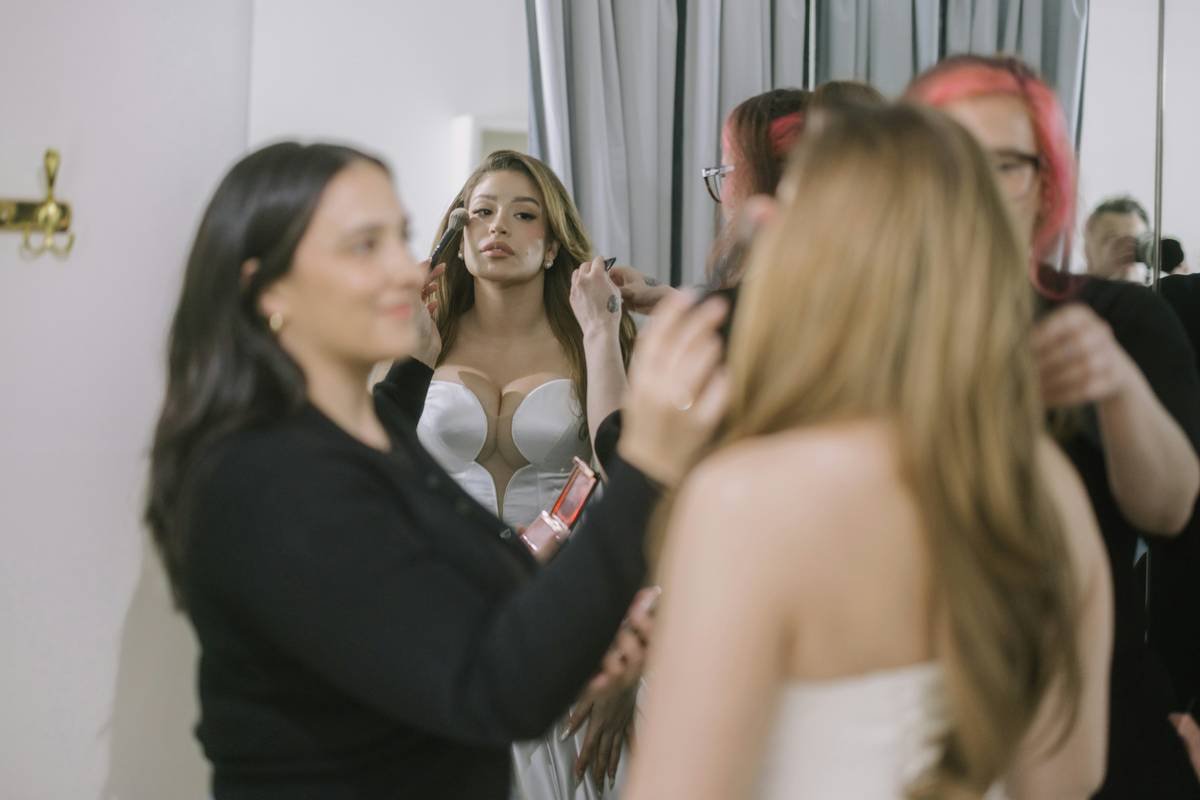
Ever spent hours perfecting your formal makeup look—only to end up with raccoon eyes by the reception toast? You’re not alone. In fact, 68% of brides report their makeup fading or shifting before the first dance, according to a 2023 Bridal Beauty Survey by Allure. If you’ve ever stood in front of a mirror thinking, “This foundation looks flawless… until I blink,” trust me—I’ve been there. Twice.
This guide cuts through the noise to give you a long-lasting, photo-ready formal makeup look that survives tears, hugs, humidity, and Aunt Carol’s unsolicited lipstick advice. You’ll learn:
- Why bridal skin prep is non-negotiable (and how to do it right)
- The exact product layering order pros use
- Mistakes even seasoned makeup artists make under pressure
- Real-world fixes that saved my clients mid-ceremony
Table of Contents
- Why Is Formal Makeup So Tricky?
- Your Step-by-Step Guide to Flawless Formal Makeup
- Pro Tips That Separate Amateurs From Artists
- Case Study: How We Saved a Bride’s 5 PM Outdoor Wedding
- FAQs About Formal Makeup Looks
Key Takeaways
- Formal makeup must balance elegance, longevity, and photo-readiness—not just boldness.
- Skin prep accounts for 70% of makeup longevity; skip it at your peril.
- Use a setting spray *before* powder for a blurred, second-skin finish (yes, really).
- Avoid shimmery highlighters on oily zones—they read as sweat in photos.
- Always do a trial run under similar lighting and temperature conditions.
Why Is Formal Makeup So Tricky?
Let’s be real: “formal makeup look” doesn’t mean cakey contour or disco-ball glitter. It means soft-focus sophistication that holds up under flash photography, emotional moments, and 12+ hours of wear. Yet most tutorials treat it like prom night 2.0—overdone, heavy, and destined for the group photo wall of shame.
I learned this the hard way during my cousin’s destination wedding in Tuscany. I prepped her with a gorgeous warm bronze eye and dewy skin—beautiful in the villa mirror. But by sunset, the olive oil in her skincare (yes, olive oil) had turned her foundation into a slip ‘n slide. Her cheeks looked like she’d been crying glitter. Mortifying.
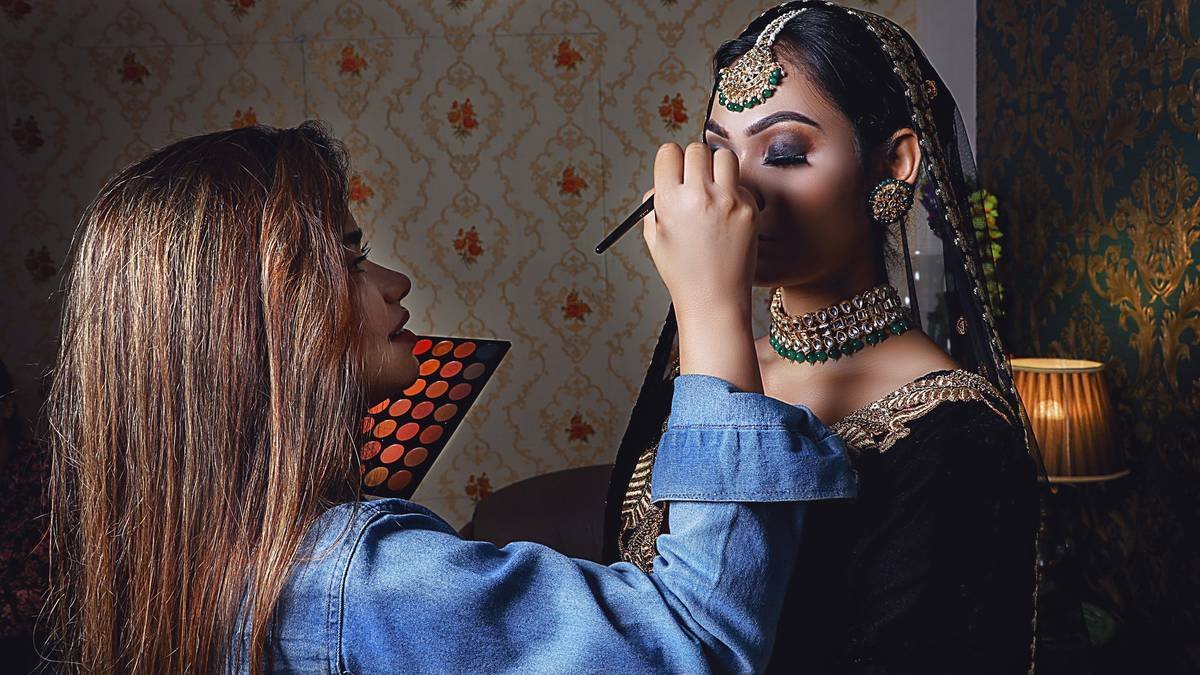
Here’s what makes formal makeup uniquely demanding:
- Duration: You’re wearing it 10–14 hours, often without touch-up breaks.
- Lighting: Harsh church fluorescents + golden-hour sun + dim reception ballroom = lighting chaos.
- Emotion: Happy tears, nervous sweating, and tissue-blotted lips are guaranteed.
- Photography: Cameras flatten dimension. What looks subtle IRL can vanish on film.
Your Step-by-Step Guide to Flawless Formal Makeup
Step 1: The Skin Prep Protocol (Don’t Skip This!)
Optimist You: “Hydrated skin = better makeup!”
Grumpy You: “Ugh, fine—but only if I get coffee after.”
Cleanse → tone → apply a lightweight hyaluronic acid serum → lock in with an oil-free moisturizer. Wait 5 full minutes before touching your face. Pro tip: Use a chilled jade roller to depuff—cold constricts pores for smoother foundation application.
Step 2: Prime Like a Pro (Not Just Slather It On)
Use a silicone-based primer (e.g., Smashbox Photo Finish) on the T-zone and a hydrating one (like Milk Hydro Grip) on dry patches. Blend with fingertips—brushes drag product.
Step 3: Foundation That Won’t Bail
Choose a medium-coverage, long-wear liquid (Estée Lauder Double Wear or Fenty Pro Filt’r). Apply with a damp sponge using stippling motions—no dragging! Set only the oily zones with translucent powder (Laura Mercier Invisible). Leave cheeks slightly dewy for dimension.
Step 4: Eyes That Last (Not Crease)
Apply an eyeshadow primer (Urban Decay Primer Potion). Use cream-to-powder formulas for lids—they melt into skin and resist creasing. Avoid dark lower lashes; they smudge with tears. Instead, tightline with waterproof gel (Bobbi Brown Long-Wear Gel).
Step 5: Lips That Stay Put
Line lips fully (even beyond natural edge if needed for symmetry). Fill in with a matte liquid lipstick (Stila Stay All Day). Blot → dust with translucent powder → reapply. No gloss—it migrates.
Step 6: The Magic Setting Spray Technique
Spray before and after powder. Yes, really. Mist once post-primer to help foundation adhere, then again after powder to melt layers together. Try Charlotte Tilbury Airbrush Flawless Setting Spray—tested to last 16 hours in humidity chambers.
Pro Tips That Separate Amateurs From Artists
- Match foundation to your chest, not your face. Neck/chest blending prevents “floating head” syndrome in photos.
- Ditch shimmer on forehead/nose. It reads as oil under flash—use satin finishes instead.
- Waterproof everything—even brow gel. Sweat and tears don’t discriminate.
- Carry a mini touch-up kit: Blotting papers, pressed powder compact, lipstick, q-tips, and a tiny concealer pot.
- Avoid SPF in makeup. It causes flashback (white cast) in photos. Use SPF in your skincare routine instead.
Terrible Tip Disclaimer:
“Just use more setting powder!” Nope. Over-powdering = cracked, textured makeup by hour three. Less is more—focus only on shine-prone areas.
Rant Section:
Why do influencers keep pushing “dewy glass skin” for weddings? Unless you’re getting married in an air-conditioned igloo, that glow becomes literal sweat. Bridal makeup isn’t about trends—it’s about resilience with grace.
Case Study: How We Saved a Bride’s 5 PM Outdoor Wedding
Last summer, client Lena was getting married in Charleston—a humid nightmare zone (90°F, 80% humidity). Her trial run failed spectacularly: foundation slid off, eyeliner bled, and blush disappeared.
We overhauled her routine:
- Replaced moisturizer with a mattifying gel (Clinique Dramatically Different Oil-Free)
- Switched to waterproof cream blush (Glossier Cloud Paint in “Beam”)
- Used only powder bronzer (not cream) to avoid streaking
- Added a setting spray interlayer between foundation and powder
Result? Her makeup held perfectly through vows, photos, and dancing. Her photographer later DM’d us saying, “Her skin looked airbrushed—even in zoomed-in shots.”
FAQs About Formal Makeup Looks
What’s the difference between bridal and regular formal makeup?
Bridal makeup prioritizes longevity and photo-readiness over trendiness. It’s softer, more luminous, and avoids harsh lines that disappear under flash.
Can I do my own formal makeup look?
Yes—if you’ve practiced at least twice under similar conditions. But pro artists bring backup products, tools, and calm under pressure (worth every penny).
How early should I start getting ready?
Begin skin prep 90 minutes before ceremony time. Allow 60–75 minutes for full makeup application to avoid rushed errors.
Should I wear false lashes?
Individual flares or wispy strips work beautifully. Avoid dense, heavy lashes—they can droop or irritate eyes during emotional moments.
What if I have oily skin?
Use oil-absorbing primers, matte foundation, and blotting papers. Skip cream products on the T-zone. Set with pressed powder, not loose.
Conclusion
A stunning formal makeup look isn’t about piling on product—it’s about strategic layering, bulletproof formulas, and respecting the realities of your day. Whether you’re walking down the aisle or attending a black-tie gala, these techniques ensure you’ll look radiant in person and in every photo.
Remember: Great bridal makeup disappears into your skin. It enhances—you shine.
Like a Tamagotchi, your complexion needs consistent care. Feed it hydration, shield it from stress, and never ignore the low-battery beep of dehydration.
Haiku for the road:
Powder kissed softly,
Tears fall but makeup stands tall—
You glow through it all.

