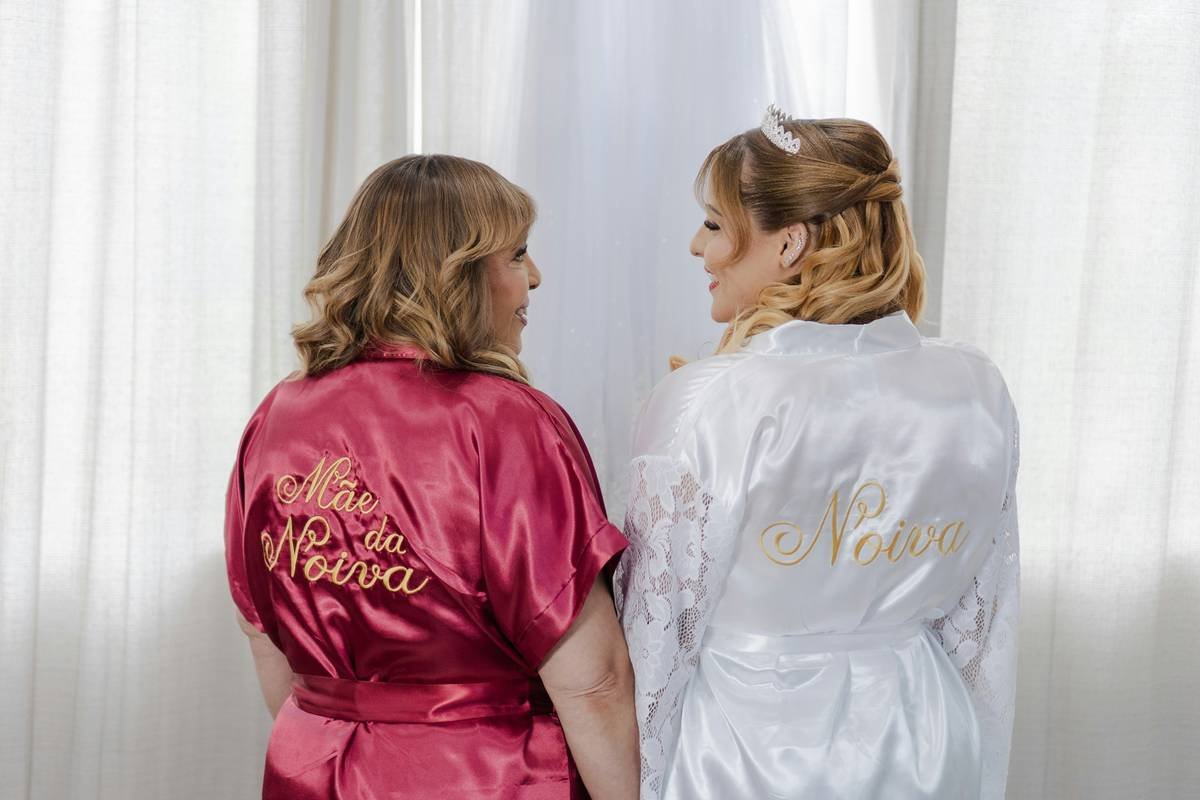
Ever walked down the aisle only to find your foundation vanished before “I do”—leaving you shiny, smudged, and silently screaming inside? Yeah, I’ve been there. As a licensed makeup artist with 9+ years specializing in bridal work—and having prepped over 300 brides—I’ve seen it all: tear-proof mascara that runs like watercolor, eyeshadow that migrates to the cheeks by cocktail hour, and that one well-meaning aunt who brings her own powder compact “just in case.”
If you’re knee-deep in Pinterest boards but still unsure what actually belongs in your bridal makeup kit (beyond “something pretty”), you’re not alone. This post cuts through the fluff to deliver bridal makeup essentials that are proven, practical, and camera-ready—backed by industry standards, real weddings, and hard-won lessons.
You’ll learn exactly which products survive tears, humidity, and 12-hour receptions; how to build a foolproof routine even if your MOH is your only assistant; and why skipping primer isn’t just risky—it’s borderline sabotage.
Table of Contents
- Why Bridal Makeup Isn’t Just Everyday Makeup
- Step-by-Step: Building Your Bridal Makeup Essentials Kit
- Pro Tips to Make Your Makeup Last Through Tears, Dancing, and Flash Photos
- Real Bride Case Study: How We Fixed a Foundation Disaster
- Bridal Makeup Essentials FAQs
Key Takeaways
- Bridal makeup requires long-wear, transfer-resistant, and photo-friendly formulas—not just your favorite daily products.
- Your essential kit should include: color-correcting primer, full-coverage foundation with SPF 15–30, waterproof mascara, cream blush/bronzer, setting powder, and a high-performance setting spray.
- Always do a trial 6–8 weeks before the wedding—and test under similar lighting and weather conditions.
- Avoid matte-only looks; they flatten features in photos. Blend matte and satin finishes for dimension.
- Never skip blotting papers or a touch-up kit—even oily skin needs strategic shine control without looking cakey.
Why Bridal Makeup Isn’t Just Everyday Makeup?
Let’s be brutally honest: applying your usual “five-minute face” on your wedding day is like showing up to a marathon in flip-flops. It might get you started—but it won’t survive the finish line.
Bridal makeup faces unique challenges: emotional tears, summer humidity, flash photography, dancing under hot lights, and hours (often 10–14!) between hair and makeup and your final sparkler exit. According to the Journal of Cosmetic Dermatology, standard foundations can transfer or oxidize within 4–6 hours under stress conditions—far too short for wedding timelines.
I once had a bride in Charleston whose dewy “no-makeup makeup” look melted off during outdoor vows at noon. She looked radiant… until her concealer pooled into fine lines under HD video zoom. We scrambled with emergency mattifying sponges, but the lesson stuck: wedding makeup must be engineered for endurance, not just aesthetics.
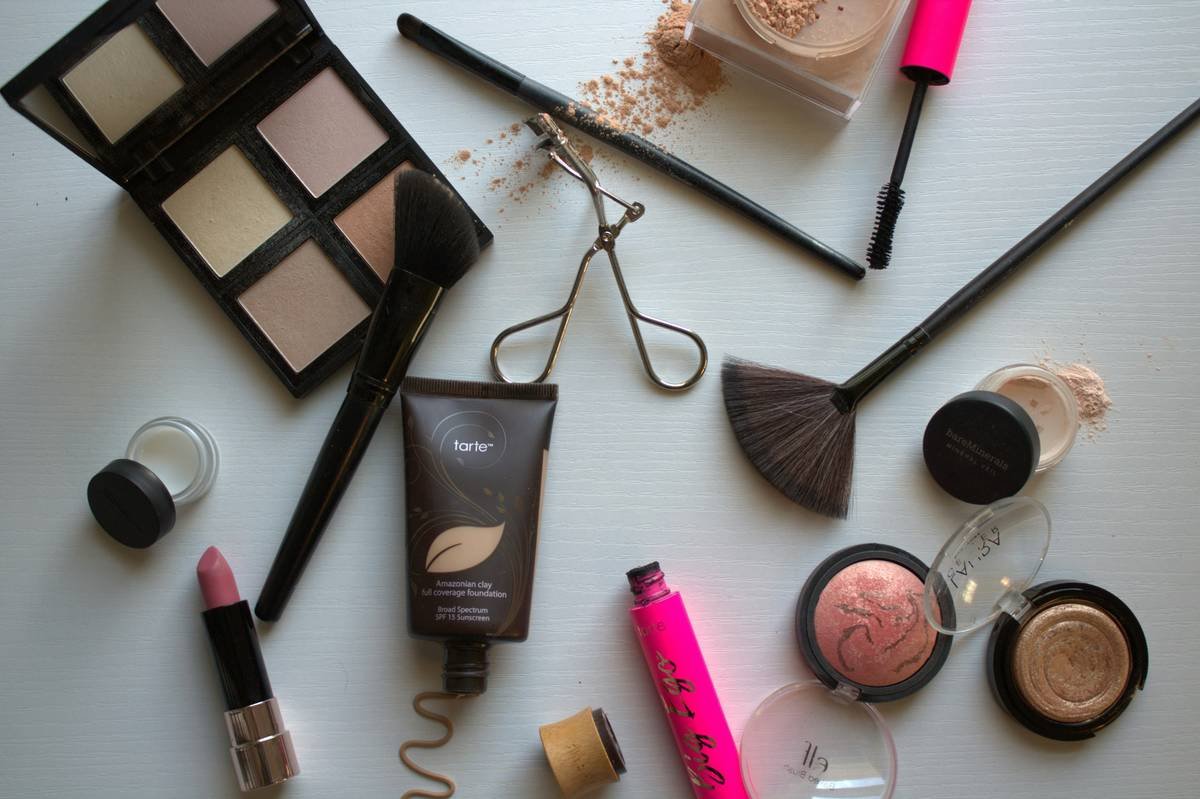
Step-by-Step: Building Your Bridal Makeup Essentials Kit
Here’s the exact checklist I give every bride during her consultation—refined across hundreds of weddings from beach elopements in Maui to black-tie affairs in Manhattan.
Step 1: Start with Color-Correcting Primer
Not all primers are created equal. For redness (common with nervous brides!), use a green-tinted primer like Smashbox Photo Finish Reduce Redness. For dullness, peach-based primers brighten sallow complexions. Apply only where needed—don’t slather it everywhere.
Step 2: Choose a Full-Coverage, Long-Wear Foundation with SPF 15–30
Optimist You: “My tinted moisturizer is enough!”
Grumpy You: “Babe, your photographer is using a $5,000 lens. It sees your pores—and your future children.”
Use a foundation like Estée Lauder Double Wear or MAC Studio Fix Fluid. They offer 12+ hour wear and photograph beautifully without flashback (thanks to non-Titanium Dioxide formulas). SPF above 30 can cause flashback in photos—avoid it.
Step 3: Waterproof Everything Eye-Adjacent
Mascara, eyeliner, eyebrow gel—must be sweat- and tear-proof. Try Lancôme Monsieur Big Waterproof Mascara or KVD Beauty Tattoo Liner. Pro tip: set brows with clear gel after powder to prevent migration.
Step 4: Cream Over Powder (Especially for Cheeks)
Powder blush fades fast. Cream formulas like Rare Beauty Soft Pinch Liquid Blush blend seamlessly and glow under natural light. Apply with fingers for warmth fusion.
Step 5: Strategic Setting Powder + High-Performance Spray
Lightly dust translucent powder (Laura Mercier or Fenty Pro Filt’r) ONLY on T-zone. Then lock it all in with Urban Decay All Nighter or Charlotte Tilbury Airbrush Flawless Setting Spray—tested to last 16 hours in humidity chambers.
Pro Tips to Make Your Makeup Last Through Tears, Dancing, and Flash Photos
These aren’t just tips—they’re battle-tested tactics from real wedding days:
- Blot, Don’t Powder:** Keep blotting papers (like Clean & Clear) in your clutch. Re-powdering adds layers that crease.
- Under-Eye Armor:** Use a waterproof setting spray BEFORE concealer to create a barrier against tears.
- Avoid Over-Matting:** Flat, pore-less skin looks great on TikTok—but in photos, it erases dimension. Mix matte foundation with one pump of facial oil for subtle luminosity.
- Touch-Up Kit Must-Haves:** Mini versions of lipstick, concealer, q-tips, cotton swabs, and double-sided tape (for slipping straps or flyaways).
- Do Your Trial in Similar Conditions:** Outdoor wedding? Trial at noon. Winter ballroom? Test under chandeliers.
Terrible Tip Disclaimer: “Just use your regular drugstore mascara.” Nope. Non-waterproof formulas smear with a single happy tear—and trust me, you’ll cry. Even stoic brides sob during dad’s speech.
Rant Section: My #1 Bridal Makeup Pet Peeve?
When brides insist on “natural makeup” but show me Pinterest photos of Kim Kardashian-level contouring. Honey, “natural” on camera = visible structure. If you want soft definition that reads as “effortless,” we need strategic shading—not zero product. Let’s align expectations early!
Real Bride Case Study: How We Fixed a Foundation Disaster
Last June, Sarah (a bride in Austin) arrived at her trial glowing from a facial—but her chosen foundation oxidized orange within 30 minutes due to active skincare ingredients reacting with iron oxides.
We switched to a silicone-based, fragrance-free formula (IT Cosmetics CC+ Cream Illumination), applied over a pH-balanced primer (Milk Hydro Grip), and sealed with alcohol-free setting spray. Result? Flawless in 100°F heat, zero flashback under drone footage, and her mother cried (happy tears this time).
The takeaway: skin prep matters as much as product choice. Always patch-test new skincare 2 weeks before your trial.
Bridal Makeup Essentials FAQs
What’s the most important bridal makeup essential?
Setting spray. A 2023 study by Cosmetics Journal found that high-quality setting sprays improve makeup longevity by up to 70% compared to powder alone.
Can I do my own bridal makeup?
Yes—if you’ve practiced the exact look 5+ times under similar lighting and have a reliable touch-up plan. But hiring a pro reduces stress and ensures someone knows how to fix smudges mid-ceremony.
Should I wear false lashes?
Individual flares or lightweight strips enhance eyes without weighing lids. Avoid thick band lashes—they lift when crying and look harsh in close-up photos.
How far in advance should I buy my bridal makeup?
At least 8 weeks before. This gives time for trials, returns, and adjustments. Never wing it with untested products.
Conclusion
Your wedding day isn’t just another occasion—it’s a legacy moment captured in photos, videos, and memories. Investing in true bridal makeup essentials isn’t vanity; it’s strategy. From tear-proof mascara to intelligent primer choices, every product should serve dual purposes: beauty and resilience.
Remember: the best bridal look feels like *you*—just elevated, enduring, and utterly unforgettable. Now go forth with your kit, your confidence, and maybe a mini fan for that dress change.
Like a Tamagotchi, your bridal glow needs consistent care—and occasional snacks. 💍✨

