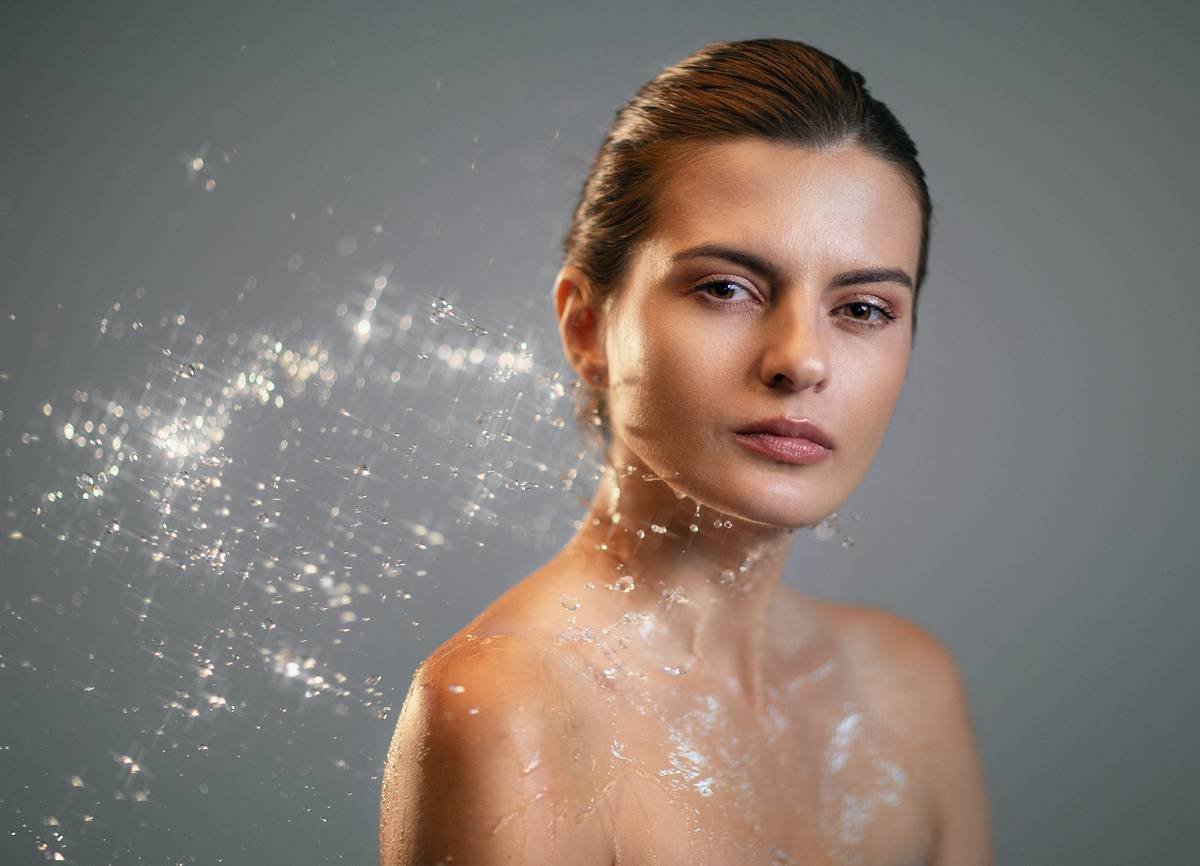
Ever stood in front of the mirror 45 minutes before walking down the aisle only to find your T-zone glistening like you just ran a marathon—but your cheeks are flaking like old paint? Yeah. We’ve been there, too. And no, blotting papers shouldn’t be your maid of honor.
If you have combination skin (oily forehead/nose/chin + dry cheeks), bridal makeup isn’t just about looking radiant—it’s about engineering resilience. One wrong product, and your dream look melts faster than ice cream at an August wedding.
In this guide, you’ll discover exactly how to build a foolproof bridal makeup routine for combination skin—backed by pro techniques, dermatologist-approved formulas, and lessons learned from real brides who survived (and thrived!) on their big day. You’ll learn how to prep, prime, layer, and set without sacrificing dew or durability. Plus: the one “hack” every MUA warns against (but Pinterest still swears by).
Table of Contents
- The Combination Skin Conundrum on Your Wedding Day
- Step-by-Step Bridal Makeup Routine for Combination Skin
- 7 Non-Negotiable Tips from Seasoned Bridal MUAs
- Real Bride Case Study: From Midday Shine to Midnight Radiance
- FAQs About Bridal Makeup for Combination Skin
Key Takeaways
- Combination skin requires targeted hydration and strategic oil control—not one-size-fits-all products.
- Layering lightweight, water-based foundations with cream-to-powder blushes prevents cakiness and separation.
- A dual-primer approach (hydrating on cheeks, mattifying on T-zone) is the secret weapon top artists use.
- Setting spray must be applied in thin mists—never drenched—and reapplied post-hug barrage.
- Blotting > powdering throughout the day to maintain skin-like finish.
Why Bridal Makeup Fails for Combination Skin (And How to Fix It)
Combination skin affects nearly 60% of adults, according to the American Academy of Dermatology—but wedding-day lighting, humidity, tears, and hours of wear turn this common skin type into a high-stakes balancing act. The core problem? Most brides treat their face as one uniform canvas. Big mistake.
Your T-zone produces excess sebum due to more active oil glands, while your cheeks lack natural oils and often suffer from transepidermal water loss—especially if you’ve been using harsh cleansers or over-exfoliating pre-wedding. Apply a matte foundation everywhere? Dry patches crack under HD cameras. Use a dewy formula universally? Hello, mid-ceremony oil slick.
I once worked with a bride who used a viral “glow hack”—mixing liquid highlighter directly into her foundation—only to watch it pool in her nasolabial folds by cocktail hour. Her cheeks looked airbrushed; her nose looked like she’d just finished frying samosas. Not the vibe.
Step-by-Step Bridal Makeup Routine for Combination Skin
How do I prep my combo skin the night before and morning of?
Night Before: Skip heavy exfoliants. Use a gentle lactic acid serum (like Sunday Riley Good Genes, 5%) to smooth texture without irritation. Follow with a ceramide-rich moisturizer (CeraVe Moisturizing Cream) only on dry zones.
Morning Of: Cleanse with micellar water (Bioderma Sensibio)—no hot water! Tone with alcohol-free witch hazel. Apply a hyaluronic acid serum (Vichy Mineral 89) all over, then layer a lightweight gel moisturizer (Neutrogena Hydro Boost) on cheeks and a mattifying gel (Paula’s Choice Oil-Free Moisturizer) on T-zone.
Which primers actually work for mixed zones?
Here’s where the magic happens: use two primers. Yes, really.
- Dry Cheeks: Hydrating primer with squalane (Milk Makeup Hydro Grip)
- Oily T-Zone: Pore-blurring, silica-based primer (Smashbox Photo Finish Oil & Shine Control)
Apply with clean fingers—pat, don’t rub—to avoid dragging skin.
What foundation won’t separate or cake?
Go for a semi-matte, buildable foundation with a natural finish. My top picks:
- Estée Lauder Double Wear Light (long-wear without dryness)
- Fenty Beauty Pro Filt’r Soft Matte (controls oil but won’t cling to flakes)
- NARS Light Reflecting Advanced (ideal for flash photography)
Apply with a damp sponge (Beautyblender), focusing on blending edges into hairline and jaw—not piling on layers.
How do I set without looking dusty?
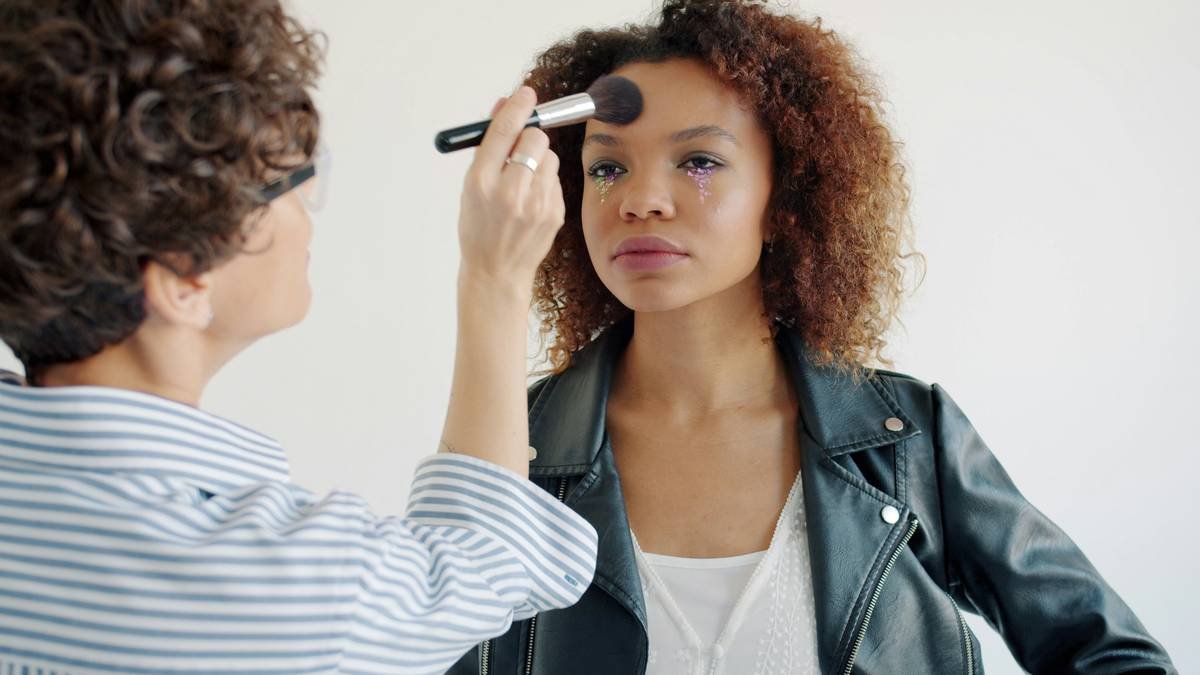
Dust translucent powder ONLY on T-zone and under eyes—avoid cheeks entirely. Use a fluffy brush (Morphe M433) and tap off excess. Then, lock everything with a fine-mist setting spray (Urban Decay All Nighter). Hold 10 inches away and spritz in an “X” and “T” pattern. Let dry naturally—no fanning!
7 Non-Negotiable Tips from Seasoned Bridal MUAs
- Blot, Don’t Powder Post-Ceremony: Powders accumulate over time. Keep oil-absorbing sheets (Clean & Clear) in your clutch for touch-ups.
- Skip Heavy Cream Contour: It migrates into oily zones. Opt for a powder contour (Kevyn Aucoin The Sculpting Powder) applied with light hand.
- Waterproof Everything: Mascara, eyeliner, brow gel—non-negotiable. Try Lancôme Monsieur Big Waterproof.
- Test Under Real Lighting: Schedule a trial in natural daylight AND indoor evening light—you’ll spot separation issues early.
- Hydrate Internally: Drink 2L water daily starting 3 days pre-wedding. Dehydrated skin overproduces oil.
- Avoid New Products Within 2 Weeks: Patch-test everything. No experimenting with retinoids or acids close to the date.
- Bring Backup: Mini versions of foundation, concealer, setting spray, and lipstick in your emergency kit.
The Terrible Tip Everyone Still Believes
“Just use baking soda to mattify!” Nope. Baking soda has a pH of 9—your skin is ~5.5. It disrupts your barrier, triggers inflammation, and worsens oil production long-term. Dermatologists (like Dr. Hadley King, NYC) strongly advise against it. Save the pantry ingredients for cookies, not complexions.
Rant Time: My Pet Peeve
When influencers say “just use your regular makeup!” for weddings. Sweetheart, your 8-hour Zoom meeting isn’t comparable to 14 hours of hugging, crying, dancing, and flash photography. Bridal makeup is special-ops beauty. Treat it like one.
Real Bride Case Study: From Midday Shine to Midnight Radiance
Sarah, 29, had textbook combination skin: flaky cheeks, shiny nose, prone to redness. Her trial run used a single matte foundation and heavy powder—by noon, her foundation cracked around her smile lines, and her T-zone looked greasy in photos.
We pivoted: dual primers, Fenty Pro Filt’r (sheer coverage layered only where needed), cream blush (Glossier Cloud Paint in Dusk) on cheeks, and strategic powdering. At her outdoor summer wedding (92°F!), she stayed photo-ready from first look to last dance—verified by her photographer’s side-by-side shots.
Her secret? She blotted every 90 minutes and re-sprayed setting spray after bouquet toss. “I didn’t feel ‘made up’—I felt like myself, but filtered,” she said.
FAQs About Bridal Makeup for Combination Skin
Can I use BB cream for my wedding?
Only if you’re having a micro-wedding with zero photography. BB creams lack coverage longevity. For full-day events, opt for a true foundation.
Should I skip moisturizer if my T-zone is oily?
No! Skipping moisture signals your skin to produce MORE oil. Use oil-free, non-comedogenic formulas selectively.
How do I stop my makeup from oxidizing orange?
Oxidation happens when foundation reacts with skin oils. Choose formulas labeled “color-stable” (e.g., MAC Studio Fix Fluid). Always test on your jawline in natural light and wait 30 minutes to see true dry-down color.
Is mineral makeup better for combination skin?
Not inherently. Some mineral powders can emphasize dry patches. However, pressed mineral foundations (like bareMinerals Original Liquid) offer great balance if layered correctly.
Conclusion
Bridal makeup for combination skin isn’t about compromise—it’s about customization. By treating your oily and dry zones as separate territories, using dual primers, choosing semi-matte foundations, and mastering the art of strategic setting, you’ll achieve that elusive “lit-from-within” glow that lasts from vows to last call.
Remember: your wedding day makeup should enhance you—not mask you. With these expert-backed, experience-tested steps, you’ll walk down the aisle confident that your skin looks as radiant as you feel.
Now go sip champagne, not absorbent paper.
Like a Tamagotchi, your bridal glow needs consistent care—not neglect until it beeps in crisis.
Shine bright,
—Your exhausted-but-elated bridal MUA who’s seen it all
Haiku:
Cheeks soft, T-zone calm—
Powder light, spray fine, tears dry.
You glow. They gasp. Done.

