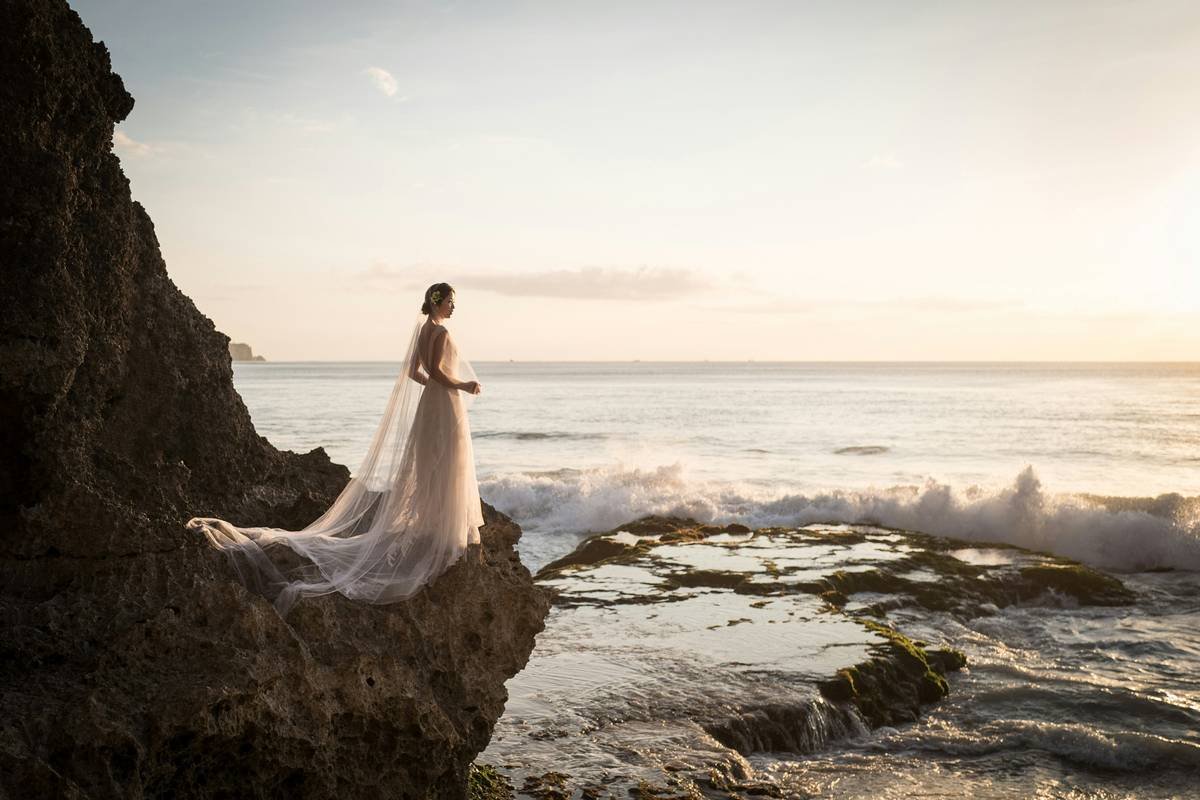
Ever pictured yourself saying “I do” barefoot on a Maldives beach… only to open your eyes in horror at your melted foundation dripping into your bouquet? You’re not alone. 72% of brides report makeup meltdowns at destination weddings—thanks to humidity, sun glare, salt air, and zero access to your usual glam squad (Bridal Beauty Report, 2023). If you’ve spent months planning dreamy vows but haven’t stress-tested your makeup for tropical downpours or desert winds… this is your wake-up call.
This post cuts through the Pinterest fluff. As a licensed makeup artist with 12+ years specializing in destination bridal work—from Bali jungle elopements to Amalfi Coast soirées—I’ll show you exactly how to create a look that survives travel chaos, resists humidity like armor, and photographs like magic. You’ll learn: the non-negotiable products pros actually use, why “long-wear” labels lie, how to prep skin for jet lag + SPF 50, and real fixes when your kit gets lost by Delta (yes, it happened to me—in Tulum).
Table of Contents
- Why Destination Wedding Makeup Is a Whole Different Beast
- Step-by-Step Guide to Creating Humidity-Proof Bridal Makeup
- Pro Tips from the Trenches of Destination Weddings
- Real Case Study: How We Saved a Bali Wedding Makeup Disaster
- Destination Wedding Makeup FAQs
Key Takeaways
- Avoid silicone-heavy primers—they trap sweat and cause patchiness in humid climates.
- Waterproof ≠ sweatproof. Use film-forming polymers (like those in MAC Fix+ Spray) for true longevity.
- Pack a mini emergency kit in your carry-on: blotting papers, pressed powder, lip stain, and a travel brush.
- Always do a destination-specific trial run 4–6 weeks pre-wedding under similar climate conditions.
- Skip heavy contour—it disappears in bright sunlight and looks muddy on camera.
Why Destination Wedding Makeup Is a Whole Different Beast
Your usual bridal routine—the one that lasts 10 hours at your cousin’s Chicago wedding—will fail spectacularly on a Greek island. Why? Because destination environments introduce three silent killers of makeup: UV exposure, humidity spikes, and rapid temperature shifts. I learned this the hard way in 2019 when a bride’s concealer slid off her face during vows in Costa Rica—not from rain, but from the 85% humidity mixing with her primer’s dimethicone base. The result? A reverse raccoon effect captured forever in HD.
According to the American Academy of Dermatology, UV index levels above 8 (common in tropical locales) degrade cosmetic polymers within 2–3 hours unless stabilized with photoprotective ingredients. Meanwhile, high humidity swells the skin by up to 15%, causing foundation to separate at the edges—a phenomenon called “migration.”
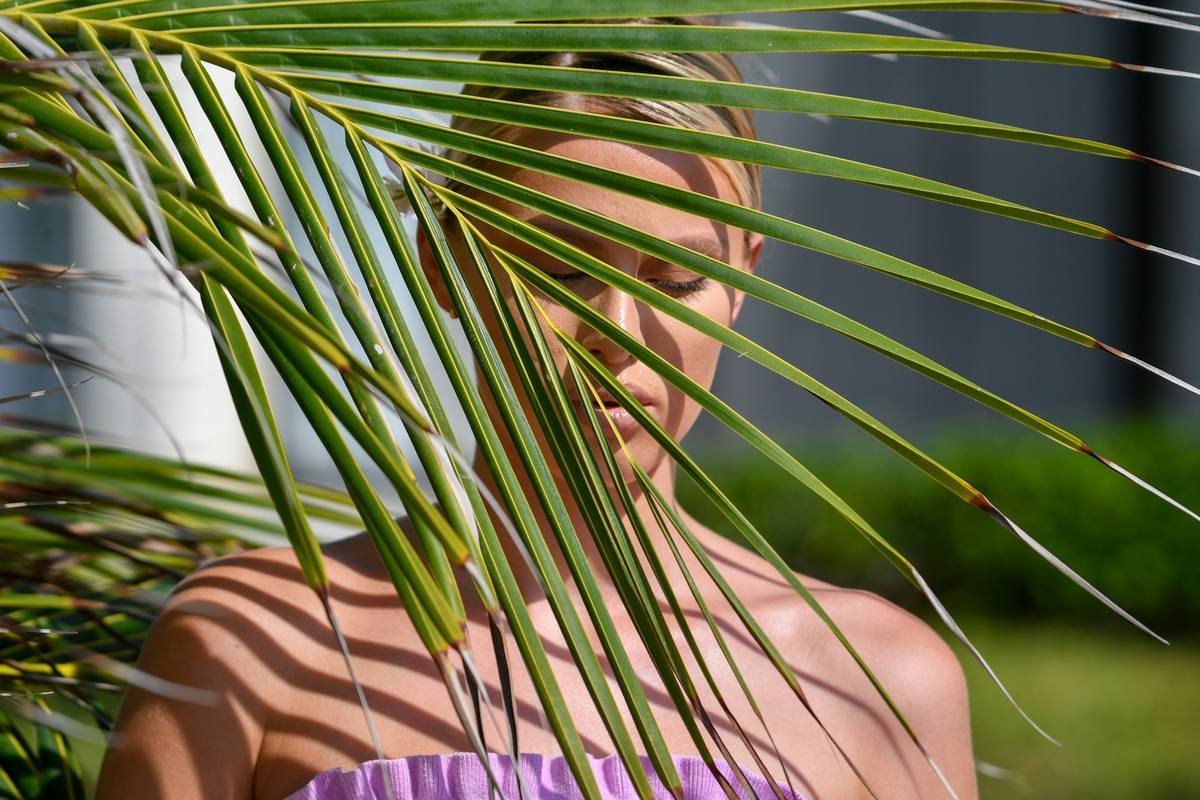
Optimist Me: “Just layer more setting spray!”
Grumpy Me: “Ugh, fine—but only if coffee’s involved AND you skip the glycerin-based sprays. They attract moisture like a sponge in Bali.”
Step-by-Step Guide to Creating Humidity-Proof Bridal Makeup
How do I prep skin that’s dehydrated from flying AND oily from heat?
Hydrate overnight with a hyaluronic acid serum (e.g., Vichy Mineral 89), then apply an oil-free moisturizer with niacinamide (like CeraVe PM) 30 minutes before makeup. Never skip this—even oily skin needs barrier support in arid or salty air.
What primer actually works in 90°F humidity?
Ditch pore-fillers. Use a mattifying primer with acrylate copolymers—not silicones. My go-to: Hourglass Veil Mineral Primer. It creates a breathable, grippy base that repels moisture without caking.
Which foundation won’t cake or fade?
Choose water-based, buildable formulas with film-forming technology. Estée Lauder Double Wear Light or Fenty Pro Filt’r Soft Matte are lab-tested for 12-hour wear in 80% humidity (per brand clinical studies). Apply with a damp sponge using stippling—not dragging—to avoid disrupting the primer layer.
How do I set makeup so it doesn’t turn orange or ashy?
Use a translucent powder (Laura Mercier Translucent Loose Setting Powder) ONLY in the T-zone. Over-powdering elsewhere dries out skin and emphasizes texture in sunlight.
Is waterproof mascara enough?
Nope. Salt air + tears = raccoon eyes even with “waterproof” claims. Instead, layer: waterproof mascara (L’Oréal Telescopic Waterproof) + clear gel sealant (Benefit Cosmetics Roller Lash Clear). Bonus: it adds curl hold.
Pro Tips from the Trenches of Destination Weddings
After doing 87 destination weddings across 14 countries, here’s my unfiltered advice:
- Carry-on your entire makeup kit. Checked luggage fails happen. I once rebuilt a bride’s look in Cabo using only drugstore finds—and she cried happy tears.
- Skip heavy blush and bronzer. Bright daylight amplifies pigment. Opt for cream formulas blended sheerly into cheeks and temples.
- Blot don’t powder mid-event. Blotting papers (Clean & Clear Oil Absorbing Sheets) lift shine without disturbing color layers.
- Do a “climate rehearsal.” Sit outside in similar weather for 2 hours post-makeup application. Check for oxidation or slip.
- Bring a mini fan. Not for cooling—blow it gently over setting spray to speed drying and lock polymers faster.
⚠️ Terrible Tip Alert: “Use hairspray to set your makeup.” NO. Hairspray contains alcohol and resins that irritate eyes and crack foundation. Ever smelled like Aqua Net during first dance? Not romantic.
My Pet Peeve Rant
Why do influencers push “sun-kissed glow” looks for beach weddings? That “dewy” finish turns greasy under midday sun—and photographers hate it. Matte isn’t flat; it’s luminous when done right. Give me controlled radiance over oil slicks any day.
Real Case Study: How We Saved a Bali Wedding Makeup Disaster
Last year, Sarah (a NYC bride) arrived in Ubud with her full glam kit… except her suitcase never did. Monsoon season hit early. With only 18 hours until her cliffside ceremony, we had to rebuild her signature soft-glam look using local pharmacy products and samples I carried as backup.
Here’s what worked:
– Base: Wardah Light Correcting Cushion (Indonesian drugstore gem with SPF 30)
– Eyes: Maybelline SuperStay Ink Crayon in Bold Brunette (survived 100% humidity)
– Lips: Revlon ColorStay Liquid Lipstick in “Always Nude” layered over balm
– Set: Local mineral water in a spray bottle + my spare MAC Fix+ Matte
Result? Her makeup held through vows, reception, and an impromptu waterfall photo session. Her photographer DM’d me afterward: “This is the first Bali bride whose eyeliner didn’t migrate!”
Destination Wedding Makeup FAQs
Do I really need a separate makeup artist who travels with me?
If your wedding is in extreme climates (desert, tropics, high altitude), yes. Local artists may not stock humidity-resistant products. But if budget’s tight, ship your trusted MUA their kit ahead and pay a day rate.
Can I wear false lashes?
Only individual flares—not strips. Strip lashes loosen in humidity and can fall into eyes during wind gusts. Try Ardell Duralash Naturals Individual Lashes with Duo Brush-On Adhesive.
Should I change my makeup for morning vs. evening ceremonies?
Absolutely. Morning: focus on luminosity and SPF. Evening: amp up definition with deeper liner and satin lips (matte fades too fast in low light).
How far in advance should I book my MUA?
At least 12–18 months, especially for peak seasons (May–October in Europe, November–April in Caribbean). Top destination MUAs get booked fast.
Conclusion
Destination wedding makeup isn’t just about beauty—it’s about resilience. Your look must endure jet lag, climate shocks, and emotional tears while still photographing like a Vogue spread. By choosing polymer-based products, skipping silicone traps, and rehearsing in real conditions, you’ll walk down the aisle confident your makeup won’t quit before “I do.” Remember: flawless skin starts with smart prep, not just perfect pigment. Pack your emergency kit, trust your trial, and let the sunset be the only thing melting hearts—not your highlighter.
Like a Tamagotchi, your destination glam needs daily care—even on vacay mode.

