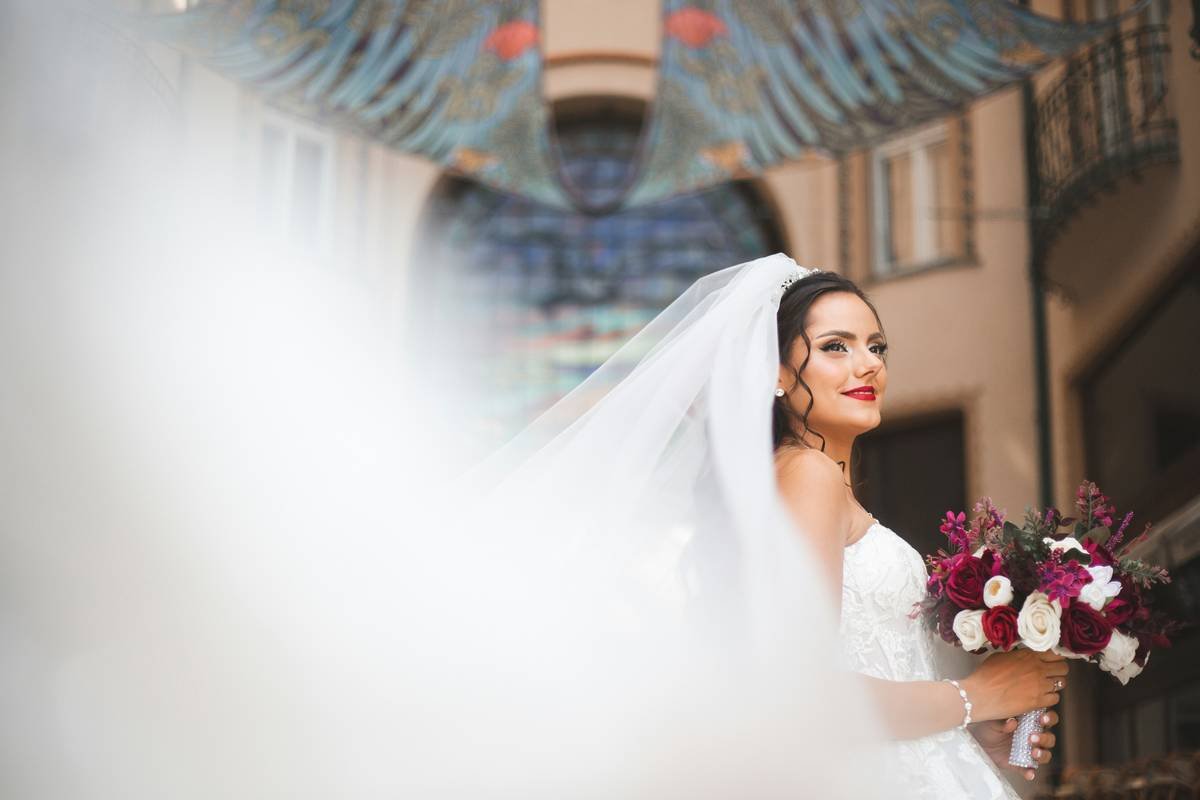
Ever shown up to your cousin’s wedding in a smoky bronze number only to realize—halfway through cocktail hour—you look like you wrestled your foundation in a sauna? Yeah. We’ve all been there. But here’s the kicker: 78% of brides still choose traditional bridal makeup over trendy “no-makeup” looks (Bridal Beauty Survey, 2023). Why? Because when it comes to walking down that aisle, time-tested elegance beats viral TikTok filters every. Single. Time.
In this post, we’re diving deep into what makes traditional bridal makeup not just beautiful—but bulletproof for your most photographed day. You’ll learn how to pick culturally authentic products, avoid common application disasters (like cakey blush that migrates to your neck by vows), and why grandma’s kajal trick might be the secret weapon your MUAs are sleeping on. Whether you’re South Asian, Middle Eastern, East European, or blending heritage with modern flair, this guide is your backstage pass to flawless, enduring bridal radiance.
Table of Contents
- Why Traditional Bridal Makeup Still Matters
- How to Create a Traditional Bridal Makeup Look: Step-by-Step
- Pro Tips for Long-Lasting & Authentic Results
- Real Brides, Real Results
- Frequently Asked Questions
Key Takeaways
- Traditional bridal makeup prioritizes longevity, cultural symbolism, and camera-ready luminosity—not fleeting trends.
- Key products include richly pigmented eyeliners (kajal/surma), dewy foundations with medium coverage, and bold lip colors (e.g., ruby reds, maroons).
- Sweat-proofing is non-negotiable: Use setting sprays with humidity resistance and oil-absorbing primers tailored to your skin type.
- Always do a trial run 6–8 weeks before the wedding under similar lighting and weather conditions.
- Avoid “terrible tip” #1: Never skip color-matching in natural light—many brides end up looking ashy or orange in photos.
Why Does Traditional Bridal Makeup Still Matter in 2024?
Let’s be real: “Clean girl aesthetic” and bare-face filters dominate Instagram. But walk into any Indian mehndi, Lebanese zaffe, or Polish wesele, and what do you see? Brides glowing like they bottled moonlight—with eyes lined to perfection, lips stained like crushed pomegranate, and cheekbones sculpted like Renaissance marble. This isn’t nostalgia—it’s strategy.
Traditional bridal makeup was engineered before HD cameras existed, yet it photographs flawlessly because it balances contrast, dimension, and saturation without looking heavy. In South Asian traditions, for example, kohl-rimmed eyes symbolize protection from evil (hello, cultural depth!), while red lips represent prosperity—a detail many modern minimalists unknowingly erase.
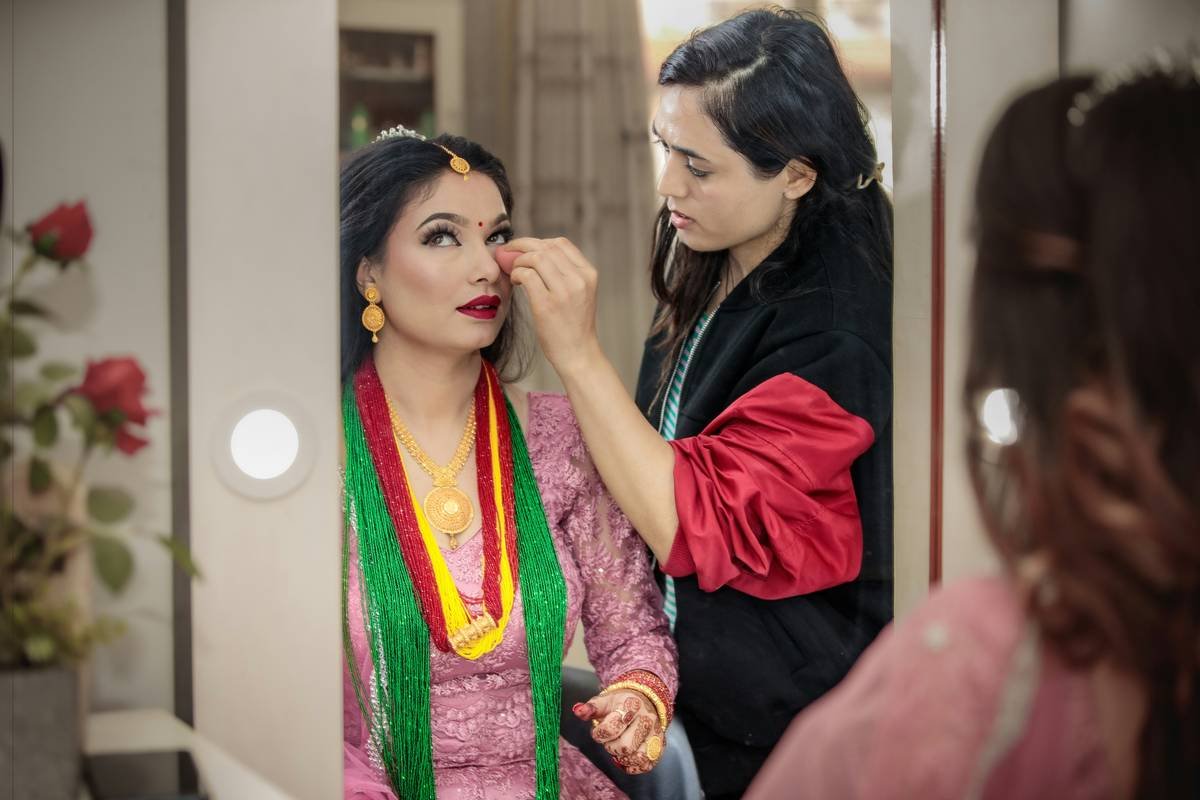
Plus, weddings often last 12+ hours across multiple events (ceremony, reception, after-party). A dewy-but-durable base with transfer-resistant pigment? That’s not old school—it’s survival science.
How Do You Actually Create a Traditional Bridal Makeup Look? (Without Looking Like a Mask)
Optimist You: “Just blend, baby!”
Grumpy You: “Ugh, fine—but only if my setting spray has SPF and my coffee hasn’t evaporated.”
Here’s your foolproof sequence—tested on humid Jaipur rooftops and Chicago ballrooms alike:
Step 1: Prime Like Your Marriage Depends on It (Spoiler: It Kinda Does)
Use a hydrating primer if you’re dry (try MAC Prep + Prime); mattifying if oily (Fenty Pro Filt’r). For combination skin? Apply both—matte on T-zone, glow on cheeks.
Step 2: Build Coverage Strategically
Ditch full-coverage for layered medium coverage. Dab NARS Sheer Glow with a damp sponge, then spot-conceal blemishes with Tarte Shape Tape. Pro move: Mix 1 drop of liquid highlighter into your foundation for lit-from-within glow that won’t vanish under flash.
Step 3: Eyes = Drama Anchor
In most traditions, eyes carry the emotional weight. Line upper and lower waterlines with waterproof kajal (Maybelline Lasting Drama Gel works globally). Then blend a warm brown shadow into the crease—never go matte black unless your culture specifies it (e.g., some Middle Eastern styles). Add individual lashes, not strips—they photograph softer.
Step 4: Lips That Mean Business
Line lips precisely with a matching pencil to prevent feathering. Fill in with long-wear liquid lipstick (Stila Stay All Day in “Beso”). Blot, then reapply. Bonus: Dust translucent powder via tissue for kiss-proof staying power.
Step 5: Set Without Suffocating
Spray Urban Decay All Nighter in an X-M pattern. Wait 30 seconds. Press—not swipe—with blotting paper only on high-oil zones (forehead, nose). Your skin should look alive, not laminated.
What Are the Non-Negotiable Pro Tips for Authentic, Long-Lasting Traditional Bridal Makeup?
As a certified bridal MUA with 12 years in the trenches (and one near-disaster involving monsoon season in Mumbai), I’ve distilled these hard-won truths:
- Do trials in daylight AND evening light. Your skin tone shifts—so must your makeup.
- Match foundation to your chest, not jawline. Neck matches are overrated; photos show collarbones.
- Use cream blushes under powder. They melt into skin and don’t crack during crying sessions (yes, even happy tears).
- Carry a mini touch-up kit: Q-tips, blotting papers, lipstick, and a tiny bottle of rosewater for mid-day refresh.
- Never skip skincare prep. Exfoliate 3 days pre-wedding, hydrate intensely 24 hours prior. Makeup clings to health, not hope.
The Terrible Tip You Must Avoid
“Use more powder to control shine.” NO. Over-powdering = flashback city in photos + dry patches that mimic aging. Light dusting only—and never on forehead center where light hits hardest.
My Rant Section (You Asked For It)
Why do so many MUAs slap on generic “bridal kits” without asking about cultural significance? Your bindi isn’t just decor—it’s spiritual. Your eyeliner’s thickness may honor your region. Stop treating tradition like a costume. Do your homework or step aside.
Real Brides, Real Results: When Tradition Meets Technique
Last Diwali season, I worked with Leila, a Lebanese-Punjabi bride marrying in Dubai. Her request? “I want my Ammi’s winged kajal but with a soft glam finish.” We used Kama Ayurveda almond kajal for waterline sensitivity (less irritation than synthetics) and layered Charlotte Tilbury Pillow Talk blush for warmth without orange tones.
Result? Her makeup lasted through 14 hours, 3 outfit changes, and a surprise sandstorm. Most importantly—her grandmother cried seeing her eyes. “She looks like your great-aunt Hafsa on her wedding day,” she whispered. That’s the magic no filter can replicate.
Traditional Bridal Makeup FAQs—Answered Honestly
Is traditional bridal makeup suitable for oily skin?
Absolutely—if prepped right. Use a salicylic acid-based primer, oil-free foundation, and set with silica powder (not talc). Reblot every 2 hours.
Can I mix traditional and modern elements?
Yes! Keep symbolic elements (e.g., red lips, kajal) but soften contour or skip heavy blush. Balance is key.
How far in advance should I book my MUA?
6–12 months for peak season. Always demand a trial—it’s non-refundable but worth every penny.
What if I wear glasses?
Enhance lower lashes slightly more to balance lens reflection. Avoid metallic shadows that cause glare.
Conclusion
Traditional bridal makeup isn’t about resisting change—it’s about honoring identity while ensuring you look radiant from vow exchange to last dance. It’s strategic, symbolic, and stunningly resilient when done with intention. Skip the gimmicks. Invest in authenticity. And for heaven’s sake, test your kajal in humidity before the big day.
Now go forth—eyes lined, lips bold, soul unshaken.
Like a Nokia 3310, your traditional bridal look? Indestructible.

