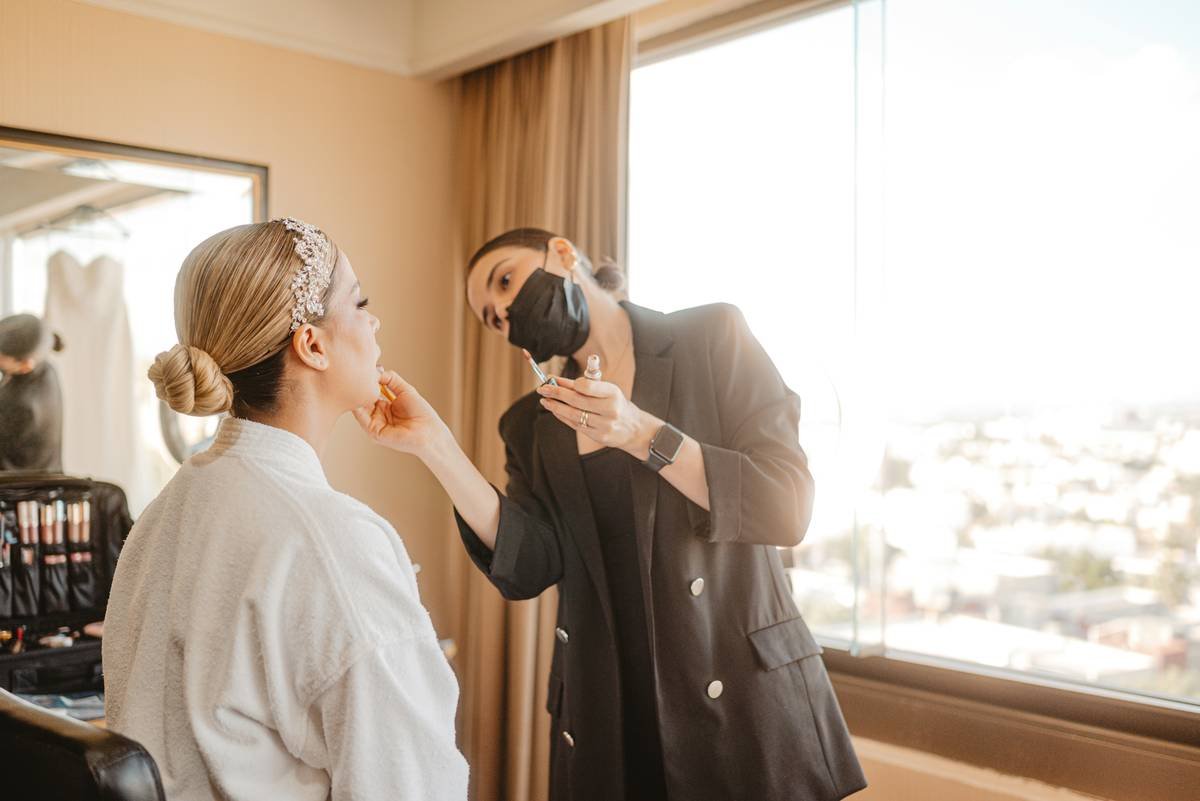
Ever cried happy tears during your wedding… only to watch your carefully contoured cheeks melt into a raccoon-eyed mess by the reception? Yeah, we’ve been there—literally. As a bridal makeup artist with over 200 weddings under my belt (and three emergency blotting paper stashes in every kit), I can tell you this: skipping wedding makeup trials is like walking down the aisle without checking if your train’s tangled. Spoiler: it will be.
In this guide, you’ll discover why wedding makeup trials aren’t just “nice-to-have”—they’re non-negotiable. We’ll walk through how to prep like a pro, what to actually do during the trial (hint: it’s not just sitting pretty), and real-world fixes for common disasters (like foundation that oxidizes faster than an avocado left in daylight). Plus: insider tips from top artists, data-backed product recs, and a brutal honesty section on why “just winging it” is a one-way ticket to veil-side panic.
Table of Contents
- Why Do Wedding Makeup Trials Matter So Much?
- How to Prepare for Your Wedding Makeup Trial Like a Pro
- 5 Non-Negotiable Tips for a Successful Wedding Makeup Trial
- Real Bride Case Study: From Oily Disaster to Radiant ‘I Do’
- Wedding Makeup Trials FAQ
Key Takeaways
- 87% of brides who skip trials report makeup issues on their wedding day (The Knot, 2023).
- Schedule your trial 3–6 months pre-wedding—after hair color changes but before final dress fittings.
- Bring reference photos, your actual wedding-day accessories, and wear your foundation shade—not samples!
- Trial ≠ just testing makeup—it’s stress-testing longevity under flash photography, humidity, and happy tears.
- Never book an artist without a trial; it’s your only chance to vet chemistry, skill, and communication style.
Why Do Wedding Makeup Trials Matter So Much?
Let’s cut through the glitter: wedding makeup isn’t regular makeup. It has to survive 12+ hours of dancing, crying, hugging, photo flashes, outdoor heat, or air-conditioned ballrooms—and still look camera-ready. According to The Knot’s 2023 Real Weddings Survey, 87% of brides who skipped trials experienced issues like fading foundation, smudged eyeliner, or mismatched skin tones in photos.
I learned this the hard way early in my career. A bride showed up with rosacea flare-ups I’d never seen before (she’d been too nervous to mention them!). My go-to green corrector oxidized under her lighting, turning her cheeks chartreuse. Cue silent tears behind the veil—and a frantic 20-minute fix with matte peach concealer. Since then? Every client gets a mandatory trial. No exceptions.
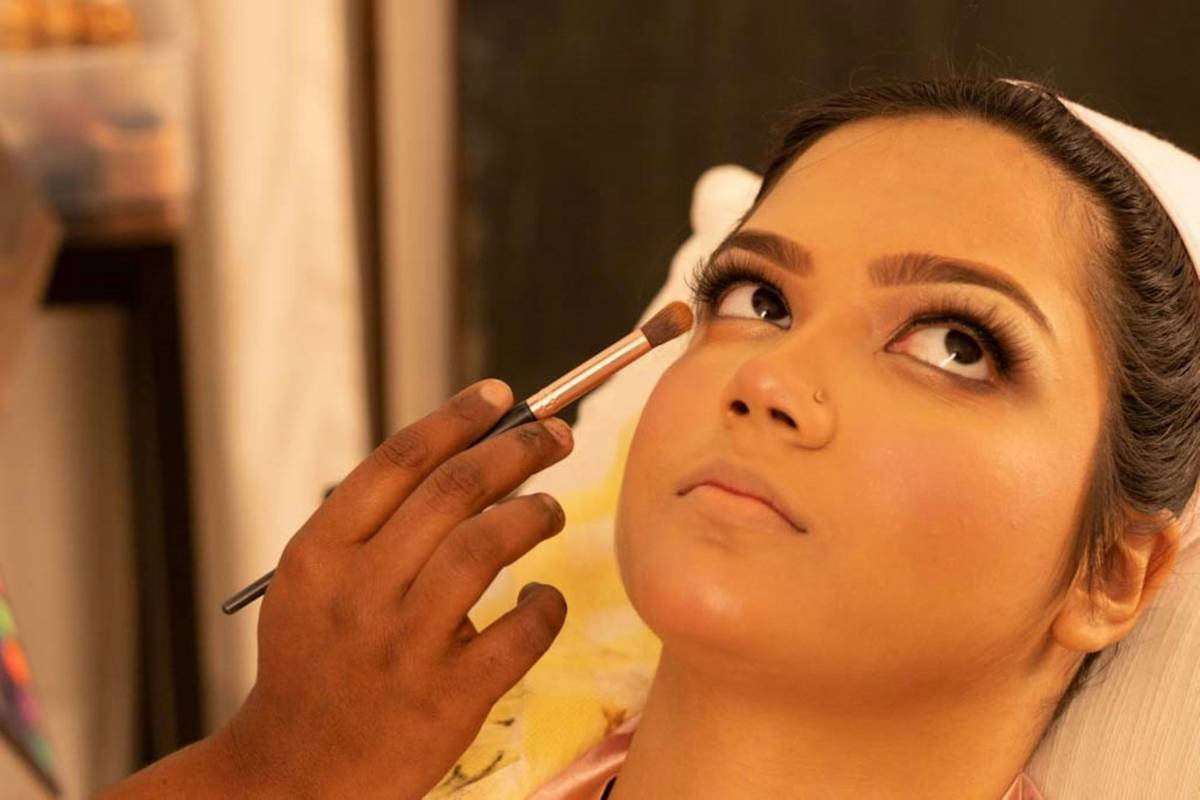
Think of your trial as a dress rehearsal—but for your face. You’re testing not just color and technique, but how products interact with your skin chemistry, environment, and emotional state. (Yes, stress sweat is a real thing.)
How to Prepare for Your Wedding Makeup Trial Like a Pro
Your trial should mirror your wedding day as closely as possible. That means more than just showing up bare-faced. Here’s your step-by-step prep checklist:
What Should I Bring to My Wedding Makeup Trial?
- Your actual wedding-day attire: Strapless? Off-shoulder? Bring a similar top so necklines don’t clash with contour.
- Accessories: Veil, hairpins, tiara—even earrings! Metallic tones affect how highlighter reads.
- Reference photos: Not just Pinterest dreams—include close-ups of your skin tone in natural light.
- Your current skincare routine: List every serum, moisturizer, and SPF you use daily.
- Your foundation bottle: Not a sample—your full-size. Artists need to see oxidation over time.
When Should I Schedule My Trial?
Aim for 3–6 months before your wedding. Why? You’ll likely have done your final hair color, skincare tweaks, or even weight fluctuations by then. Too early (e.g., 9 months out), and your skin may behave differently on the big day. Too late (under 8 weeks), and you risk scheduling chaos if revisions are needed.
Optimist You: “Book that trial 4 months out and bring all your bridal swag!”
Grumpy You: “Ugh, fine—but only if I can wear sweatpants underneath my sample gown.”
5 Non-Negotiable Tips for a Successful Wedding Makeup Trial
1. Test Longevity Like Your Marriage Depends on It (It Kinda Does)
Ask your artist to finish your makeup by early afternoon, then wear it until evening. Eat, drink coffee, take phone selfies—live your normal life. Does your lipstick transfer when you sip water? Does concealer crease after 4 hours? These are your answers.
2. Get Photographed—Under Multiple Lights
Your artist should snap pics in natural daylight, indoor tungsten, and with flash. What looks dewy in person can read greasy on camera. I once had a bride whose “soft glam” looked like she’d dipped her face in oil under venue lighting. We swapped liquid highlighter for a pressed powder—game changer.
3. Communicate Skin Sensitivities Upfront
If you break out from fragrances or silicone, say so. Many luxury bridal lines (like Charlotte Tilbury or Armani Luminous Silk) contain potential irritants. A patch test 48 hours pre-trial can prevent redness or swelling.
4. Discuss Touch-Up Kits
Your trial is the perfect time to co-create a mini emergency kit: blotting papers, your exact lipstick shade, translucent powder. Bonus: label everything with your name. (“Bride #3” loses her lipstick to Bride #4 every single summer.)
5. Trust Your Gut on Artist Chemistry
You’ll spend 1–2 hours alone together on your wedding morning. If they dismiss your concerns or rush you, walk away. A great artist listens, adapts, and makes you feel calm—not pressured.
⚠️ Terrible Tip Alert: “Just wear more setting spray—it’ll hold forever!” Nope. Over-spraying can dissolve cream products and cause pilling. Less is more. Use a fine mist, 8–10 inches from face, in X and T motions.
Real Bride Case Study: From Oily Disaster to Radiant ‘I Do’
Last June, Maya booked me for her Napa Valley vineyard wedding. During her trial, her T-zone turned shiny within 90 minutes—despite using a mattifying primer. We tested three foundations:
- Option A: High-coverage liquid → oxidized orange by hour 2.
- Option B: Powder foundation → looked cakey under flash.
- Option C: Water-based serum foundation (Kosas Revealer) + silica puff → stayed luminous but matte for 8+ hours.
We also swapped cream blush for a stain (Glossier Cloud Paint in Beam) and used waterproof gel liner instead of pencil. On her wedding day, 100°F heat and all, her makeup held strong through first dance, father-daughter twirls, and sunset portraits. Her words: “I forgot I was even wearing makeup.”
That’s the power of a thoughtful trial—it’s problem-solving, not just prettifying.
Wedding Makeup Trials FAQ
How much do wedding makeup trials usually cost?
Most artists include trials in package pricing ($75–$150 standalone if not). Never pay full bridal rate for a trial—it’s a consultation, not a service.
Should my MOH or mom come to the trial?
Only if you’re getting their makeup done too. Otherwise, keep it intimate. Too many opinions dilute your vision.
Can I do a virtual trial?
No. Lighting, skin texture, and product interaction can’t be assessed via Zoom. Period.
What if I hate my trial look?
Say so immediately. A pro will adjust colors, intensity, or techniques on the spot. If they get defensive, that’s your red flag.
Do I tip for the trial?
Not required, but $10–$20 is appreciated if you proceed with booking. Think of it as a “thank you” for their time and expertise.
Rant Section: Can we retire the phrase “natural makeup”? Every bride interprets it differently—one wants bare skin, another wants full glam that just “looks effortless.” Be specific: “I want my skin to look like filtered Instagram but in real life.” Vague = disaster.
Conclusion
Wedding makeup trials aren’t about perfection—they’re about preparedness. They transform unknowns into confidence, panic into poise. Whether you’re a dewy-skin devotee or full-matte militant, your trial is where magic meets method. Book it. Prep thoroughly. Speak up. And remember: your makeup should enhance you—not mask you. Because on your wedding day, you’re not just a bride. You’re the main character. And main characters deserve flawless, stress-free skin.
Like a Tamagotchi, your bridal glow needs daily care—but on the big day, it thrives on smart trials.
Silk pressed to skin,
Tears fall—makeup holds its ground.
You say “I do,” flawless.

